
In this article
Start with what your home needs from a battery: electricity after sunset, backup for particular appliances, or room to add storage later. Our current choices give you different ways to get there. The largest system on a specification sheet is not automatically the best fit.
This guide follows the current PSW battery collection. It replaces the earlier five-product ranking and separates the systems you can configure on our website from family guides that still need Australian model and availability confirmation.
In short
- Compare Powerwall 3, SigenStor, GoodWe ESA and SAJ against your supply, existing solar and evening use.
- SigenStor Neo and EcoFlow OCEAN 2 have separate family guides. Their presence on the site does not establish an orderable, approved configuration.
- Usable storage in kWh, inverter output in kW and backup scope are different decisions.
- Use the product-page guides and Plan to explore equipment and price. Your written quote confirms the system, site work and any eligible deductions.
Four starting points in our range.
| System | A reason to explore it |
|---|---|
| Tesla Powerwall 3 | Storage with an integrated solar inverter and a separate Expansion option. |
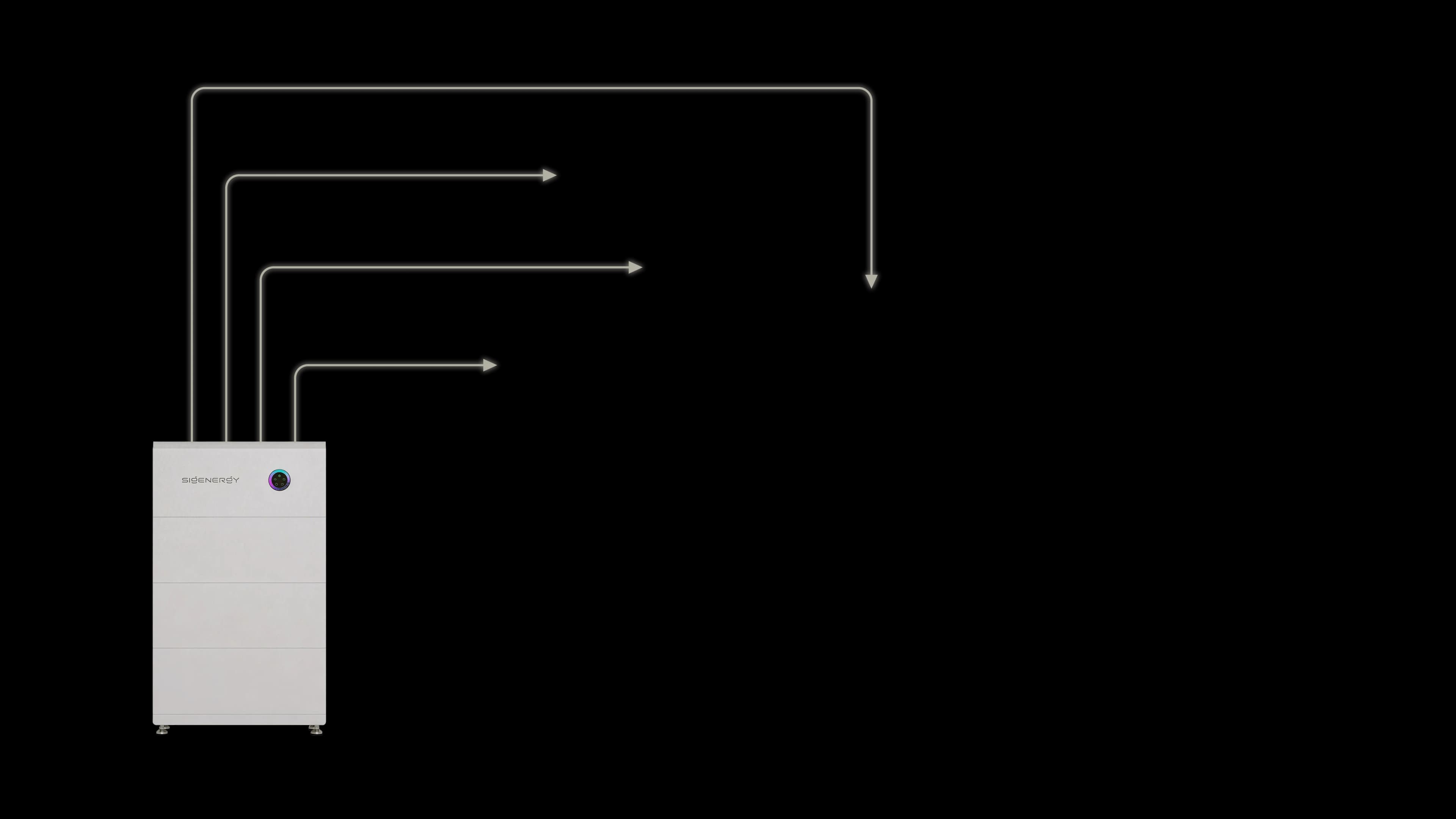
| Sigenergy SigenStor | A controller and modular batteries, with optional EV DC charging. |
| GoodWe ESA | An integrated system with phase, inverter and module choices. |
| SAJ EK70 and EK90 | Two HS5 system families using the larger modules in our selected range. |
Tesla Powerwall 3.
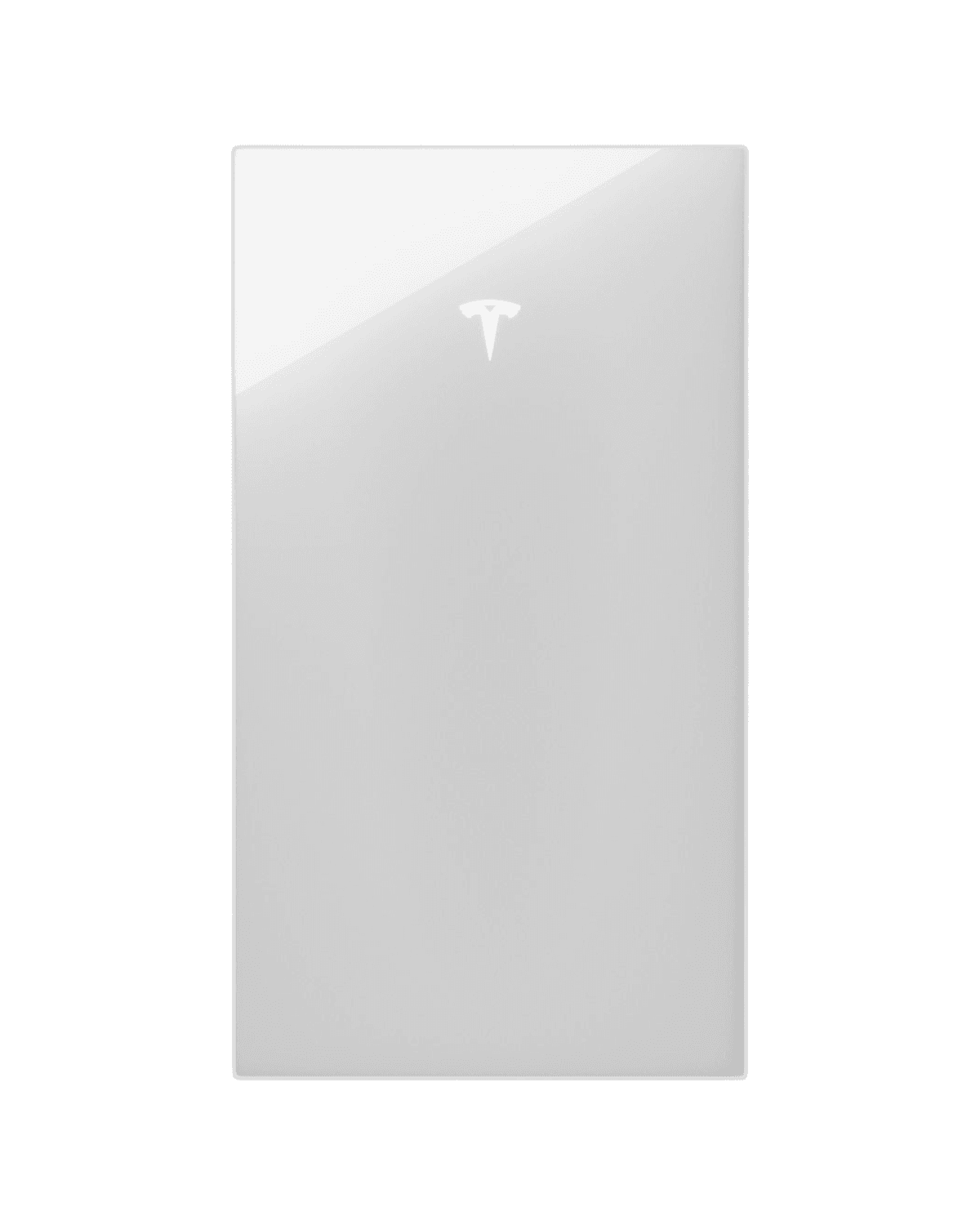
Explore Powerwall 3 if you want an integrated solar inverter with 13.5 kWh usable storage per unit. Our Powerwall product page offers 5 kW and 10 kW system requests, subject to the model, supply and connection approval. Adding a Powerwall 3 Expansion increases storage; it does not add inverter output.
Existing solar can be assessed for retention. Backup needs the appropriate gateway and circuit design; a single-phase Powerwall does not provide three-phase backup merely because the house has three-phase supply. Tesla’s Australian datasheet sets out the equipment specifications.
Powerwall 3P is a separate model. Tesla’s Australian announcement says it is not yet available here and cannot be combined with Powerwall 2 or Powerwall 3. Existing Powerwall 2 owners should start with our current comparison and upgrade guidance.
Sigenergy SigenStor.
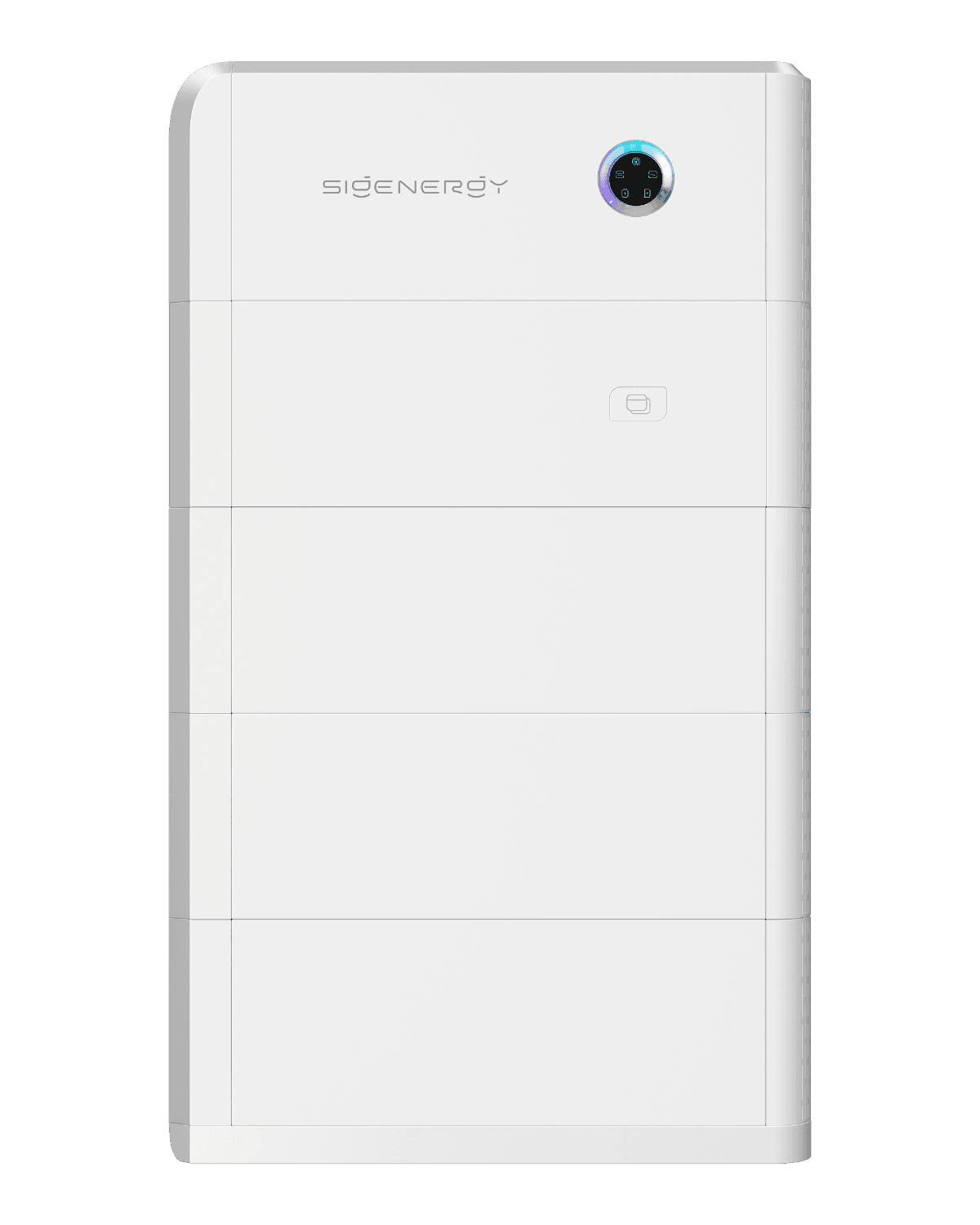
SigenStor is worth exploring when you want to choose the controller, storage and charging components together. The current Australian battery sheet lists BAT 6.0 at 6.0 kWh usable and BAT 10.0 at 9.0 kWh usable. The model name is not its usable capacity. BAT 5.0 and BAT 8.0 are no longer offered in our new configurations.
The manufacturer specifies one to six battery modules per controller. Your chosen controller and permitted arrangement determine the finished system. Backup uses a separate Energy Gateway. The optional EV DC module needs its own vehicle, charging and installation checks; owning an EV does not make it a necessary purchase.
Use the SigenStor configurator for current choices and conditional guides, and the Australian battery datasheet for module values and test conditions. Existing owners with a controller covered by the recall should follow Sigenergy’s official customer instructions before arranging an upgrade.
GoodWe ESA.
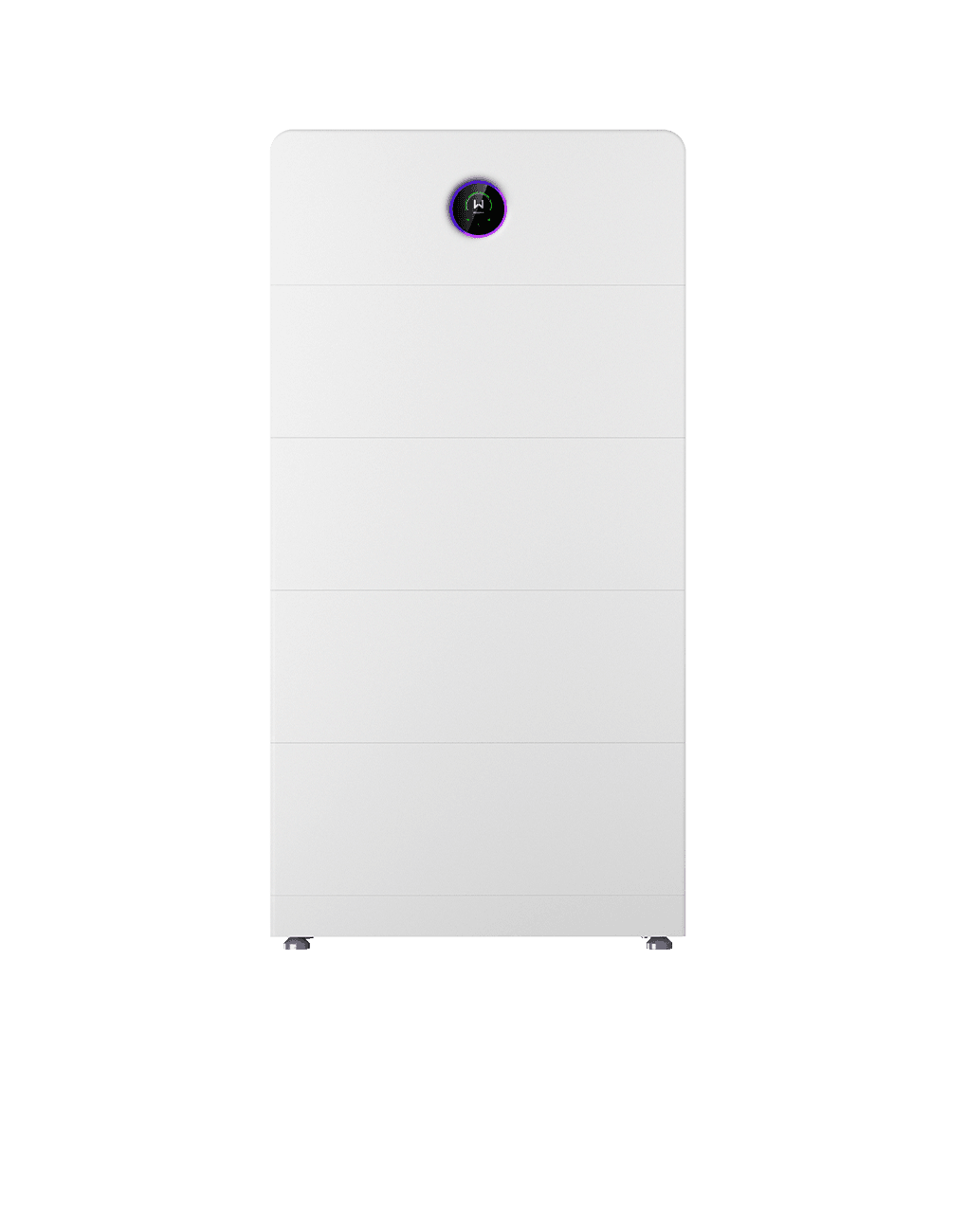
Explore ESA if you want to compare an integrated inverter and battery package across single-phase and three-phase choices. Our ESA selector uses GW9.0-BAT-D-G20 modules. Each is rated at 9 kWh, with 8.85 kWh usable in GoodWe’s current Australian datasheet. The selector explores one to six modules; the exact permitted system needs confirmation.
ESA includes distinct hybrid and AC-coupled models. We need to identify the version being quoted before saying whether your existing solar inverter stays. Backup circuits and optional AC charging are separate choices. A 63 A bypass specification describes grid-connected pass-through capability, not a promise of that much battery power during an outage.
SAJ EK70 and EK90.
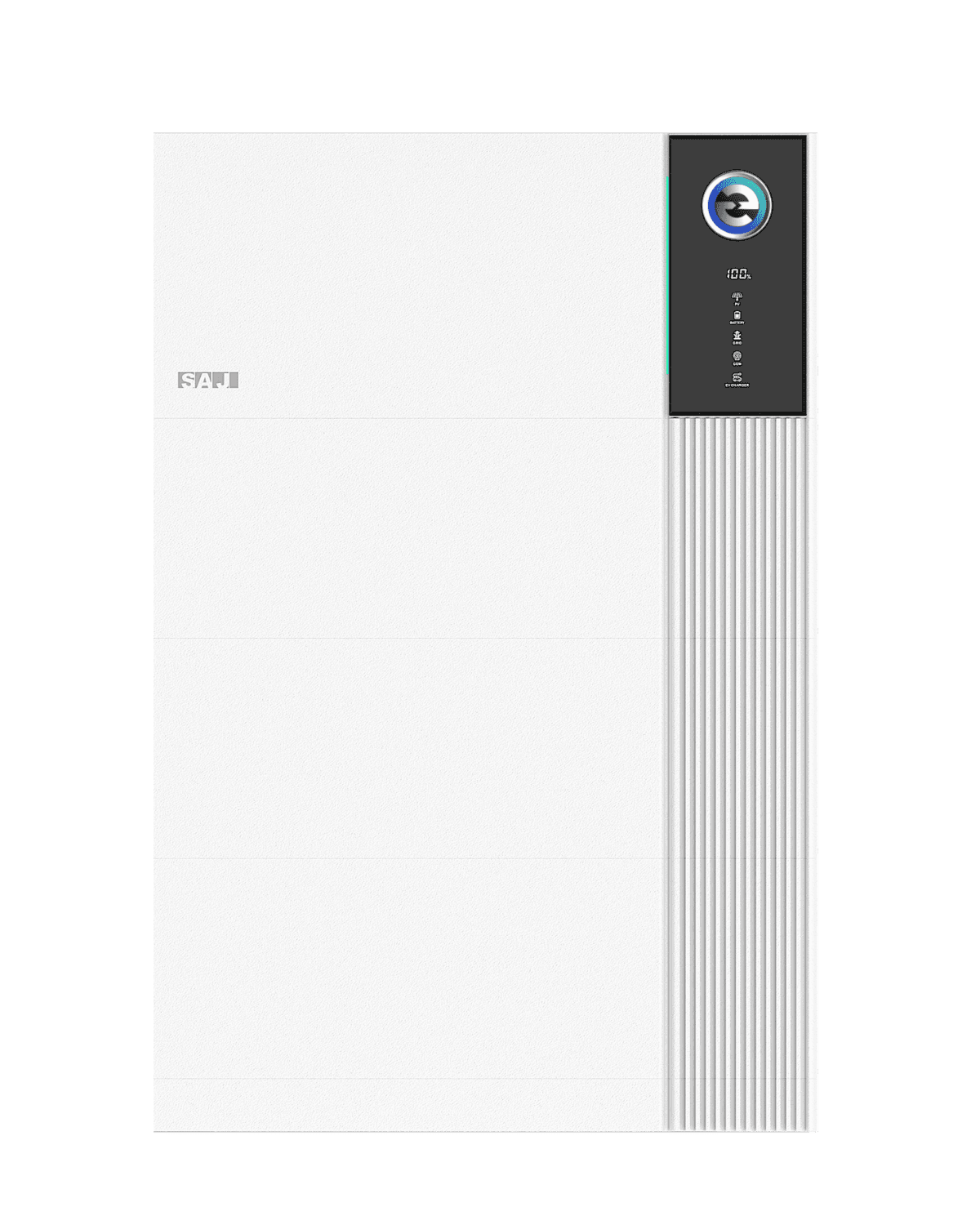
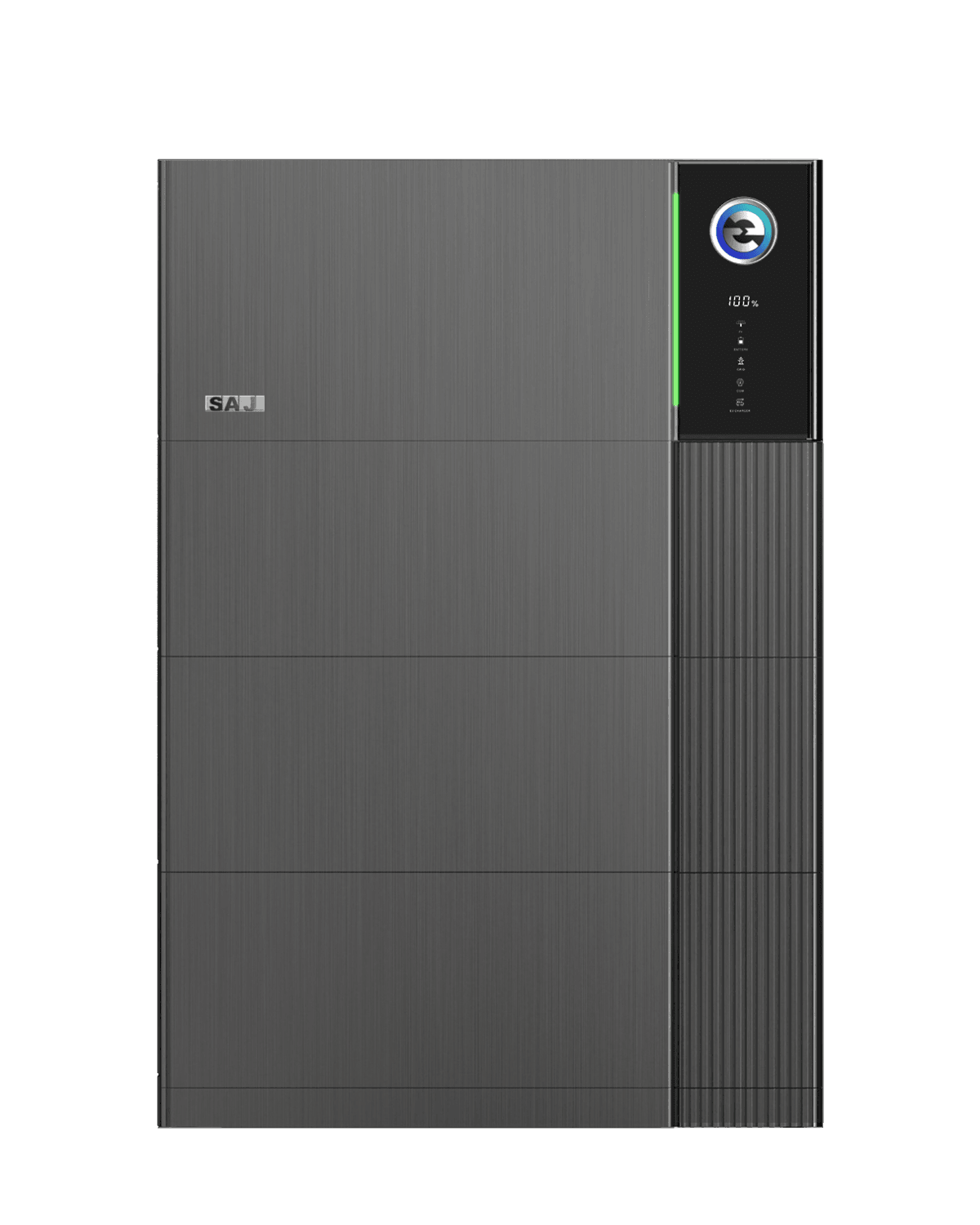
Our SAJ page lets you compare the EK70 and EK90 HS5 families. PSW’s selected range uses two to six 9 kWh modules: 18 to 54 kWh usable storage in the manufacturer’s system tables. That is a range of configurations, not a recommendation to start at the largest size.
The EK70 Australian system sheet and EK90 Australian system sheet distinguish battery combinations from inverter output. EK90’s vehicle-to-home or vehicle-to-grid features need separate confirmation of available hardware, a compatible vehicle and local permissions. Selecting an ordinary AC charger does not include bidirectional charging.
Neo and EcoFlow: separate family guides.
SigenStor Neo is a different family from SigenStor. Do not transfer SigenStor module capacities, EV DC charging or installed prices to Neo. Our Neo page remains an enquiry path while Australian models, usable storage, approved combinations, backup scope and price are confirmed.
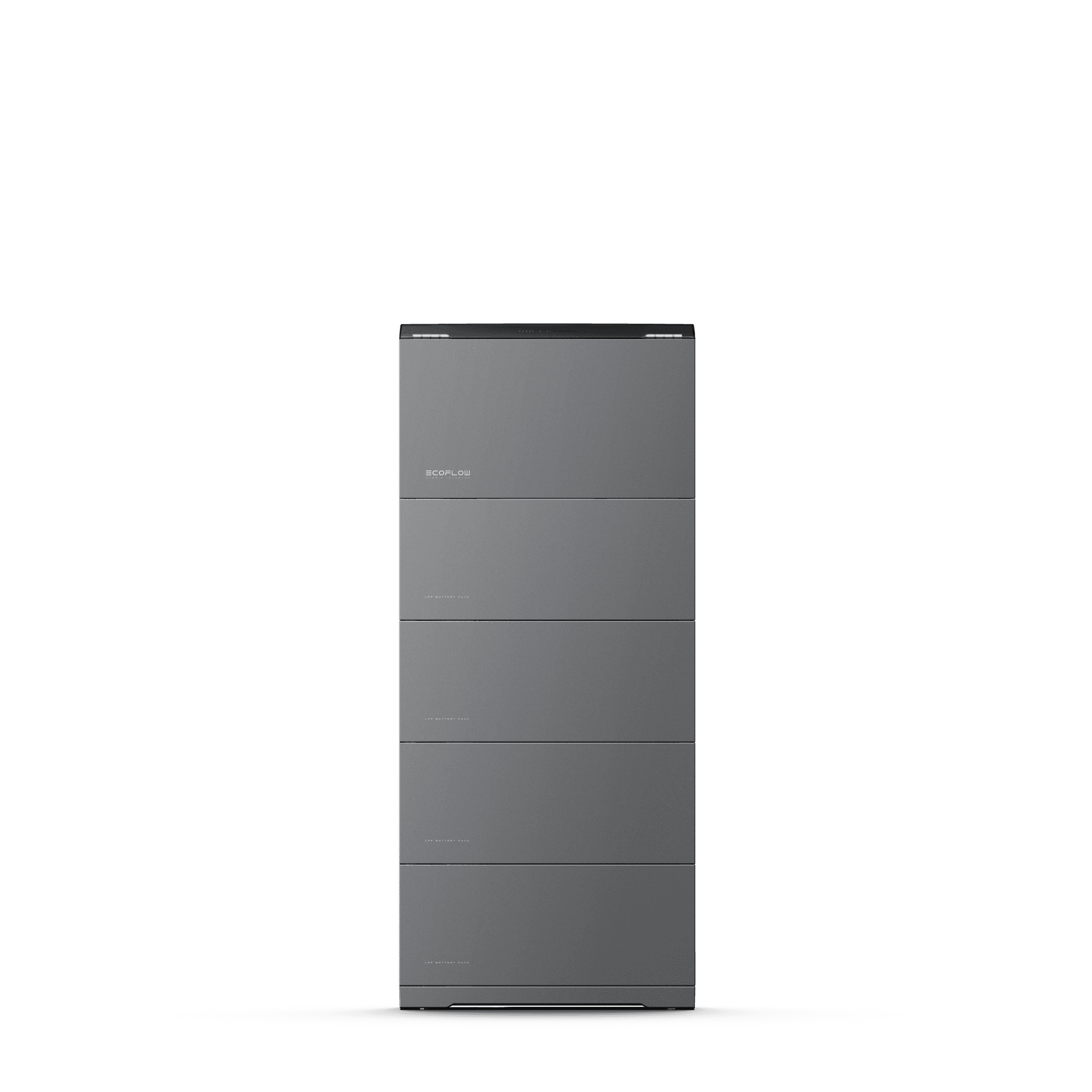
EcoFlow OCEAN 2 covers OCEAN 2 Plus Single-Phase and OCEAN 2 Three-Phase, rather than the older PowerOcean range. EcoFlow publishes Australian family information, but our page remains a guide pending confirmation of the exact supplied models, battery approval mapping and installed price. It is not a priced alternative you can substitute into an approved design.
If you came here for an earlier model.
These options are available for PSW customers with existing systems. Tell us which battery and inverter you have so we can assess support, replacement or compatible expansion options.
Fronius Reserva is offered to PSW customers only, with a Fronius inverter. We confirm your exact inverter model, battery compatibility and installed price before quoting.
For Powerwall 2, Sungrow SBR, GoodWe Lynx Home F, Growatt ARK XH and Fox ESS CQ6, availability and compatibility are checked for each existing system. If you need help with equipment you already own, start with PSW Life Support.
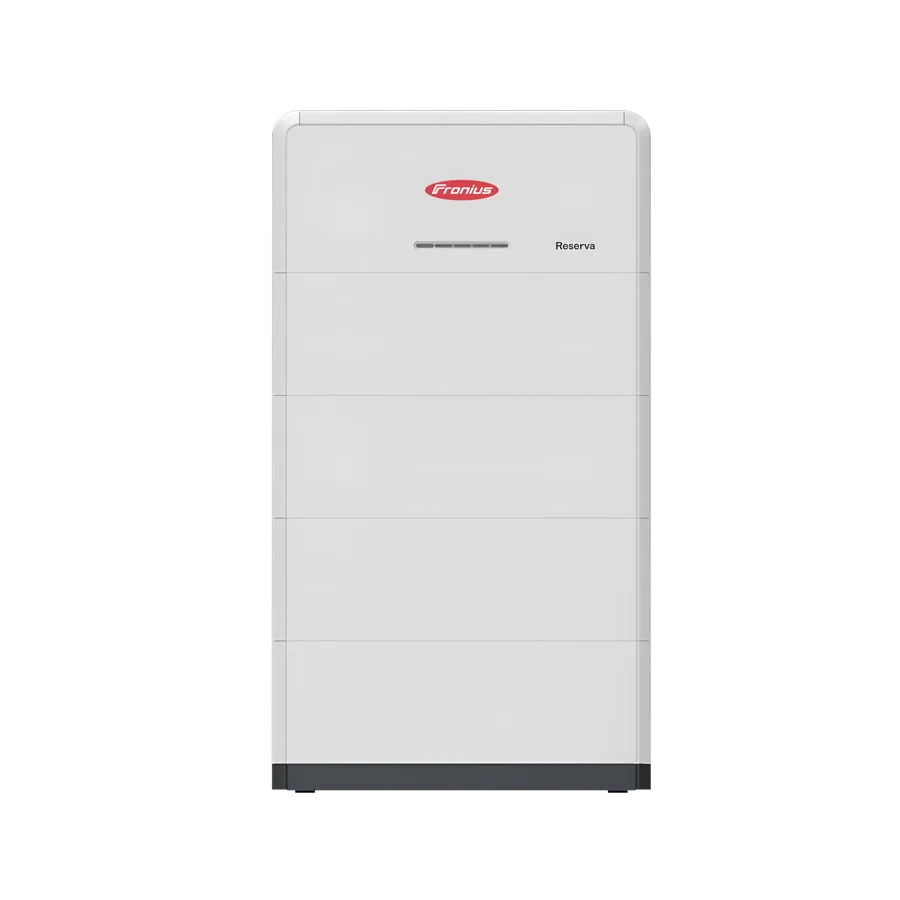

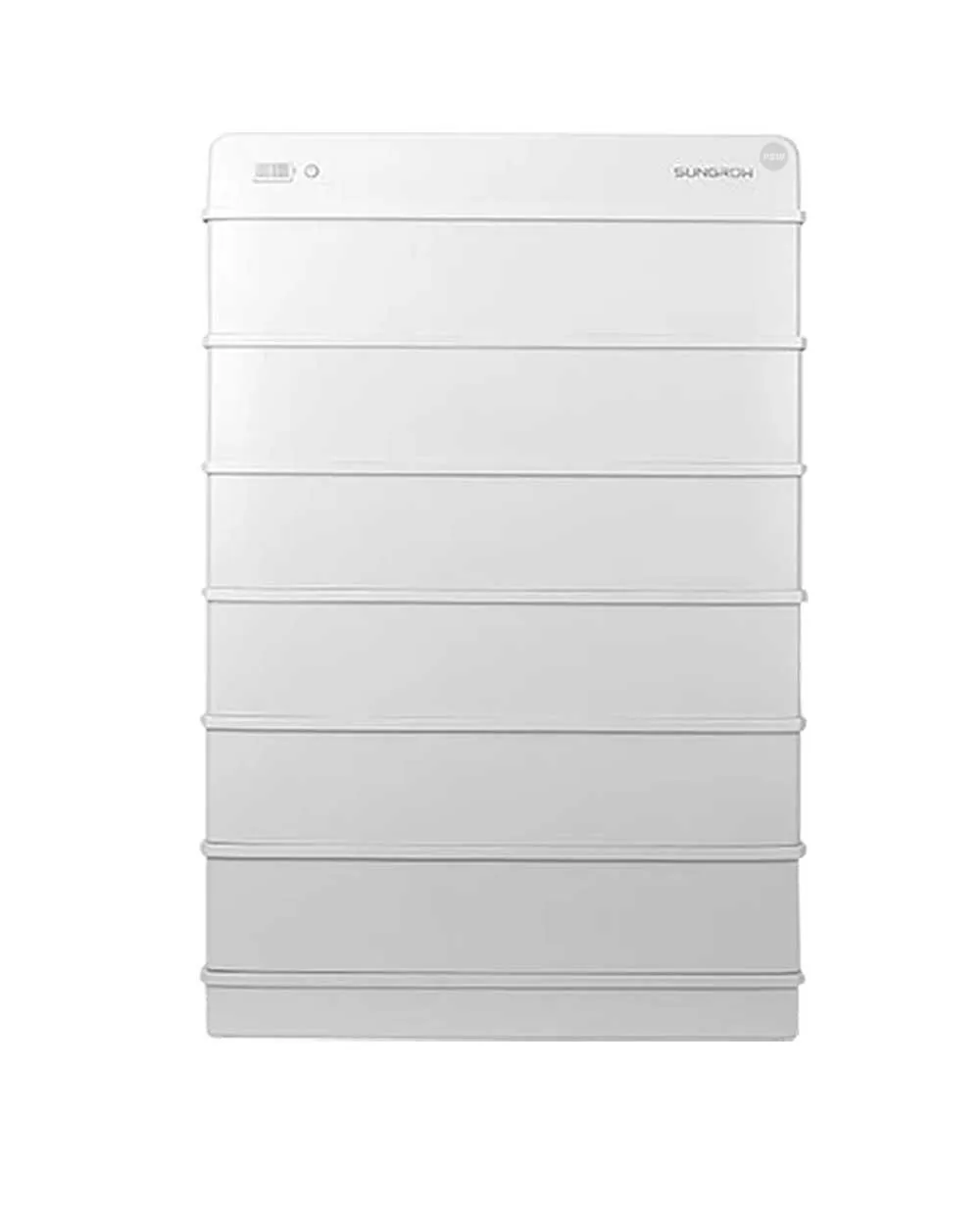
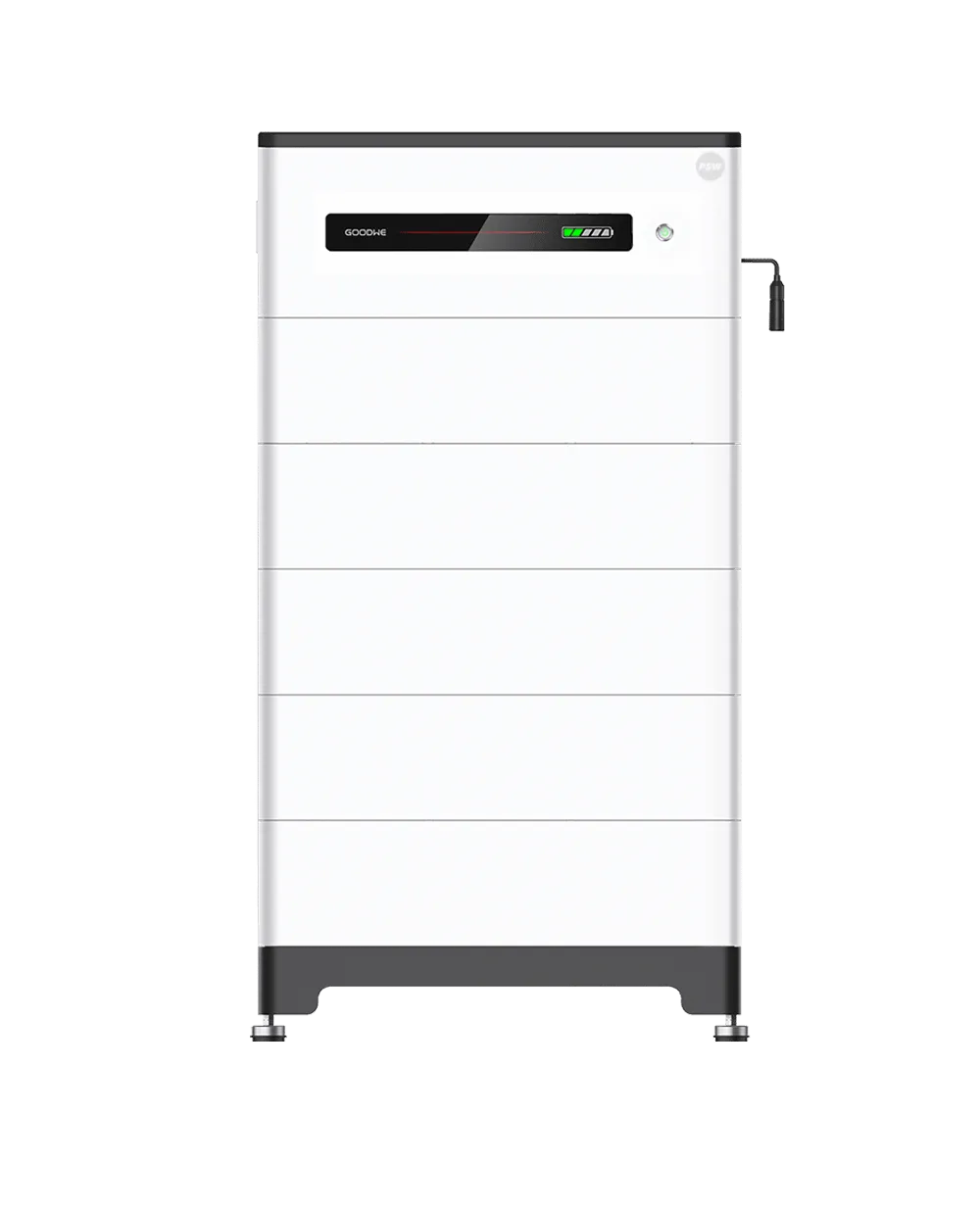
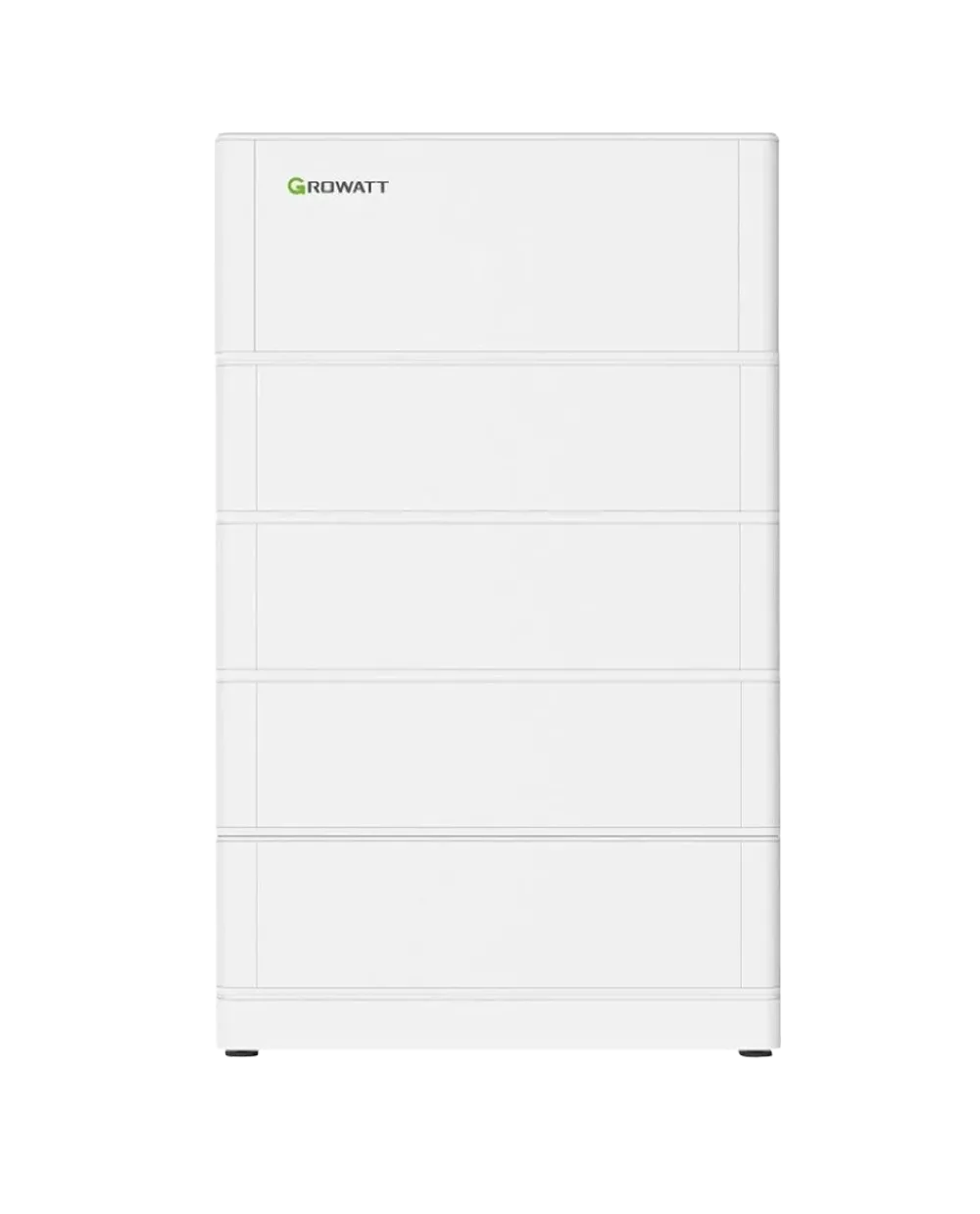
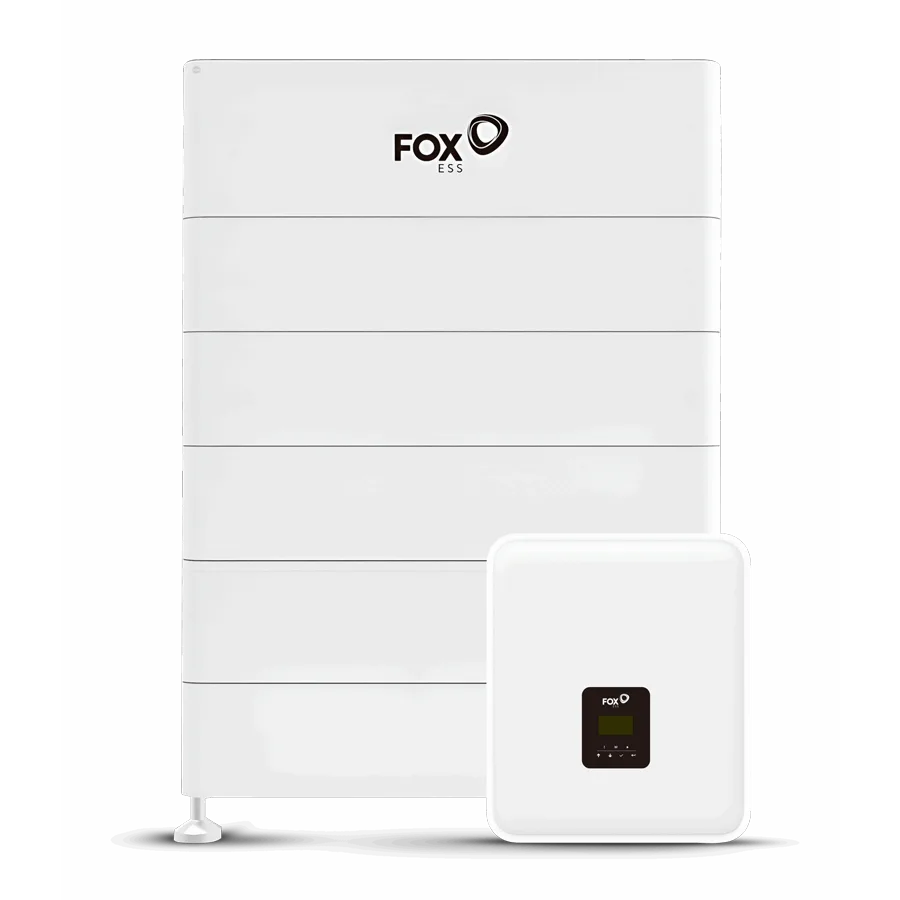
Catalogue images help identify the family. The number of modules shown is illustrative; availability and compatibility are confirmed for your system.
Size storage and backup separately.
Bring a recent Synergy bill and solar monitoring history. We need to understand your evening demand and the spare solar available across the year. More battery capacity only helps when you can charge it and use the extra stored energy.
Usable kWh describes stored energy under the manufacturer’s stated conditions. kW describes power at a point in time. Inverter rating, battery discharge limits, temperature and charge level all affect what can run together. Tell us which appliances matter during a blackout, including any three-phase loads, so the quote can name the backup circuits and limitations.
Compare one complete installed price.
Use the current product-page guide for the configuration you are considering. In Plan, available solar and battery guides combine while accounting for components already included in a system price. An integrated inverter should not be priced twice. Unpriced equipment, backup work and site extras still need an itemised quote.
The federal Cheaper Home Batteries Program operates through battery STCs; these are not two separate federal battery discounts. Eligible solar STCs and the WA Residential Battery Scheme have their own conditions. Ask us to show each eligible deduction separately, including any VPP requirements.
No brand name alone establishes rebate eligibility, network approval or compatibility. Your quote should identify the exact inverter and battery models, usable storage, installation scope and applicable warranty documents. Compare warranty conditions as well as the number of years; cell-cycle tests are not a guaranteed service life.
Save the equipment that interests you in your Plan, or start with adding a battery to existing solar. You can bring those choices to our team before settling on a brand.
Range and specifications reviewed 21 October 2026. Manufacturer specifications are not measurements of your home. Product-page guides remain subject to their displayed conditions and a written quote.