


In this article
The battery is still on the wall. The company behind it has closed. A system that’s working normally may have years of use left. The practical question is who you can call when something goes wrong.
Who can still help
Start with the business names on your paperwork. If one supplier sold you the battery and its installation, go back to that supplier for issues with either. If you paid two businesses, the seller handles product issues and the installer handles faults caused by the installation. The ACCC sets out who to contact for each arrangement.
- Manufacturer closed
- Ask the retailer that sold you the battery to assess the fault under the consumer guarantees.
- Seller closed
- Ask any separate warranty provider named in your paperwork whether it can assess a claim for your model.
- Installer closed
- Contact the seller if it sold you the installation as part of the system. If you hired the installer separately, check who issued the workmanship warranty.
If a company is insolvent, look it up under the legal name on your invoice in ASIC’s insolvency notices. An appointed administrator can explain how to lodge a claim and whether anyone has taken on existing obligations. Recovering money can be difficult even when you have a valid claim.
Support starts at installation
The battery, inverter and electrical work have to function as one system. When something fails, someone needs to work out where the fault started and coordinate the fix. That’s where the relationship between the installer and the manufacturer matters.
“The installation is the starting point for PSW.”
 Derek McKercherElectrician, founder, and director
For Derek, that means knowing who will back the installer when a fault turns up years later. Access to technical advice and parts can determine how quickly a customer gets their system running again.
At handover, ask who will take the first call and who will organise a site visit if remote checks don’t solve the problem. Keep both contacts with your system records.
What the warranty covers
Read the warranty for your exact model. A ten-year term tells you how long a promise runs. The conditions tell you what you can claim and what a service visit might cost. The Solar Consumer Guide explains the main types of cover.
- Product
- Which faults are covered, who takes the claim and what remedy the warranty provides.
- Battery capacity
- How much capacity the battery is promised to retain, how it’s measured and whether cycle or energy throughput limits apply.
- Workmanship
- Which installation faults are covered and who arranges and pays for corrective work.
Check any requirements for registration, internet connection and operating conditions. Ask who pays for diagnosis, travel, freight, labour and reinstalling equipment. Get the answer in writing.
Written warranties sit alongside automatic consumer guarantees under Australian Consumer Law, which can apply after a written warranty expires.
Keep the records a repairer will need
Save the invoice, accepted quote, warranty, model and serial numbers, installation date and electrical compliance certificate together. Keep access to your monitoring account and record the date and wording of any fault message. Include service reports and previous claim numbers if you have them.
If you can’t resolve a dispute directly, WA Consumer Protection explains how to put it in writing and lodge a complaint. Your records help show what you bought, what happened and what you’ve already tried.
Get a diagnosis before replacing it
If the system develops a fault or you have a safety concern, ask a licensed electrician with battery experience to assess it. As Derek points out, taking over another company’s installation starts with understanding what was fitted and what condition it’s in. Agree on the inspection scope and fee up front.
Ask whether compatible parts are available, whether the repair will preserve functions you rely on, such as backup and monitoring, and what cover comes with the repair. Compare the full repair cost with the installed cost of a replacement. If you may have a claim, give the responsible business a chance to respond before authorising paid work.
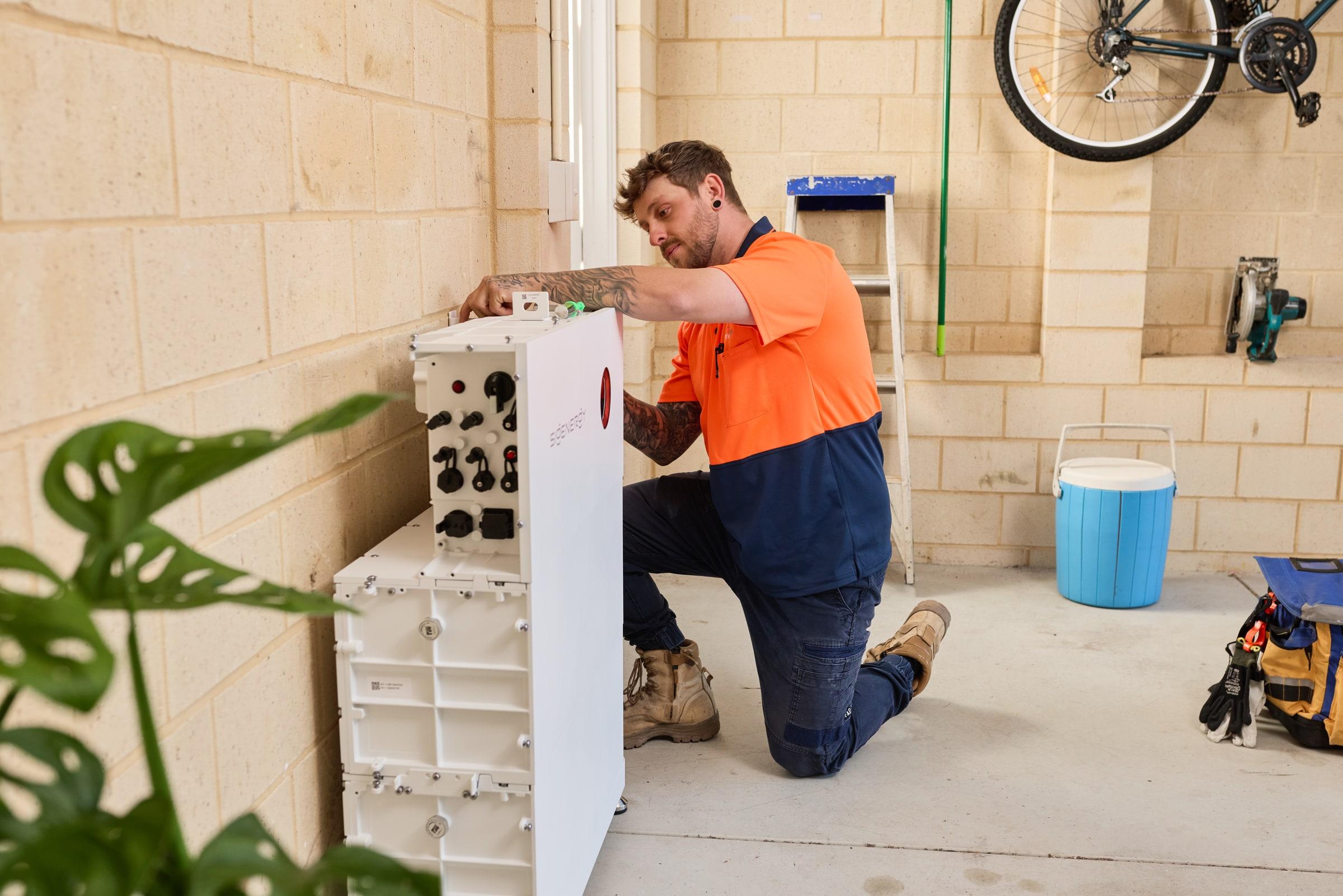
A repair option can outlast the warranty
In September 2026, PSW reported that Hiconics offered paid assessment and repairs for Smart Lifestyle systems, with parts subject to availability. Hiconics offered that help on a case-by-case basis and did not take over the original warranty.
For owners, that opened another avenue for repair. Confirm current availability and charges for your model before booking work or sending equipment.
Look for staying power on both sides
Derek uses SAJ as an example of how PSW assesses a manufacturer. The team already knew its solar inverters. It took several years to understand its storage products and how they fit Australian homes. The practical test is whether the manufacturer can support local installers and customers over the life of the equipment.
Apply the same test to the installer. Check the trading entity and how long it’s operated. Look for a team you can identify, examples of its work and reviews that describe how it responds when something goes wrong years after installation. Ask who will arrange a claim and where parts come from.
Take WA Consumer Protection’s questions to your next quote. Our Perth solar companies guide shows how to check the business behind it.
Get help with your system
If PSW sold your battery, contact PSW Life Support. Have your invoice, model and serial numbers, and any fault messages handy so the team can identify the system and the next step.
Sources and further reading
References checked 18 November 2026.
- ACCC · Solar panel systems and home batteries
- ACCC · Responsibility for products and installation
- ACCC · When a business goes bust
- ASIC · Insolvency notices
- ACCC · Warranties and consumer guarantees
- Australian Government · Warranties and insurance
- WA Consumer Protection · Questions to ask your battery supplier
- WA Consumer Protection · Making a consumer complaint