

In this article
If you want to keep all three phases running during a blackout, ask how much power your appliances need to keep going and how long you need to run them. The inverter’s kW rating tells you how much power it can supply at once. The energy stored in the battery, measured in kWh, helps determine how long those appliances can run.
Read the Australian datasheet PDF · 9 pages · 932 KB
Three phases from one Powerwall
A single Powerwall 3P has a three-phase inverter. With a suitably designed backup system, it can supply equipment that needs all three phases, such as some ducted air conditioners. If you only want the fridge, lights and internet to stay on, start by finding out which circuits supply them. A single-phase Powerwall 3 can also serve selected circuits in a three-phase home.
Already own a Powerwall? Tesla says the 3P cannot be combined with a Powerwall 2 or Powerwall 3. Check the model you have before planning an addition.
Power after sunset
Think about dinner on a hot Perth evening. The oven is on, the air conditioner is running and the roof is producing very little solar. How much of that load could the highest-rated Powerwall 3P cover on its own?
The 15 kW configuration
Maximum continuous AC output across all three phases.
On a cool day, sufficient generation from the roof lets the inverter reach its highest continuous rating.
Tesla AU/NZ datasheet, pp. 2–3. The figures are system totals. Individual phase and network limits apply.
Lower output settings of 5, 10 and 11.5 kW are also listed. Ask which setting your installer is quoting and what your network connection allows.
More Australian specifications
- Continuous output
- Up to 15 kW with sufficient solar at 25°C or below. Without solar, or at higher temperatures, up to 11.5 kW. The operating range is −20°C to 50°C, with possible further derating above 40°C.
- Usable battery energy
- 13.5 kWh AC at beginning of life; Tesla’s stated conditions are 25°C and 5 kW charge/discharge.
- Solar input
- 20.4 kWp maximum STC input, with four MPPTs (independent solar tracking inputs).
- Peak output
- 21 kW for three-phase loads, or 7.4 kW for single-phase loads, for one second. These are not continuous ratings.
- Efficiency
- 90% solar-to-battery-to-home/grid; 98.4% solar-to-home/grid. Tesla’s test conditions apply; these are different energy routes.
- Size and weight
- 1,105 × 609 × 193 mm; 138 kg. Floor or wall mounting, subject to the installation requirements.
- Weather protection
- IP67 battery and power electronics; IP55 wiring compartment. Indoor and outdoor rated.
- Connectivity
- 2.4/5 GHz Wi-Fi, Ethernet and LTE/4G cellular. Cellular service depends on coverage and signal.
- Warranty period
- 10 years. Read the applicable Australian warranty for its conditions.
Manufacturer ratings, AU/NZ datasheet pp. 2–3. Your quoted configuration and network connection approval determine the installed settings.
Choosing your backup circuits
In Tesla’s backup arrangement, Backup Gateway 2 disconnects the home from the grid during an outage. Which circuits the battery then supplies depends on the switchboard design. Ask your installer to name those circuits on the quote.
Backup across all three phases does not guarantee that every three-phase appliance will run well from the battery. Your installer should check each appliance’s starting load, continuous demand and the load on each phase before confirming what can stay on.
A ducted air conditioner may be connected for backup yet use much of the battery’s output. Running it alongside an oven or EV charger can shorten the time left for the fridge and lights.
List the appliances you want to keep running in the blackout planner. Our three-phase backup guide shows how that list translates into circuits.
Household backup can involve an interruption. Equipment requiring uninterrupted power needs a separate assessment. Medical equipment requirements are outside PSW’s scope.
Keeping your existing solar
Often the first useful thing you can send us is the model of your solar inverter. Tesla shows two ways of connecting solar in its Australian backup examples.
- Keeping an existing inverter
- Your panels feed the existing inverter, which connects on the AC side. We need to check compatibility, metering and whether that inverter can keep producing in a blackout.
- Connecting panels directly
- The 3P’s built-in solar inverter takes the DC supply from the panels. Its four solar tracking inputs give a designer room to work with different roof orientations, within the string limits.
Tesla also shows a mix of both connections and a non-backup arrangement with a Tesla Remote Meter. See the reference layouts on pages 7–9 of the datasheet. Your quote should specify whether backup is included.
More storage for longer evenings
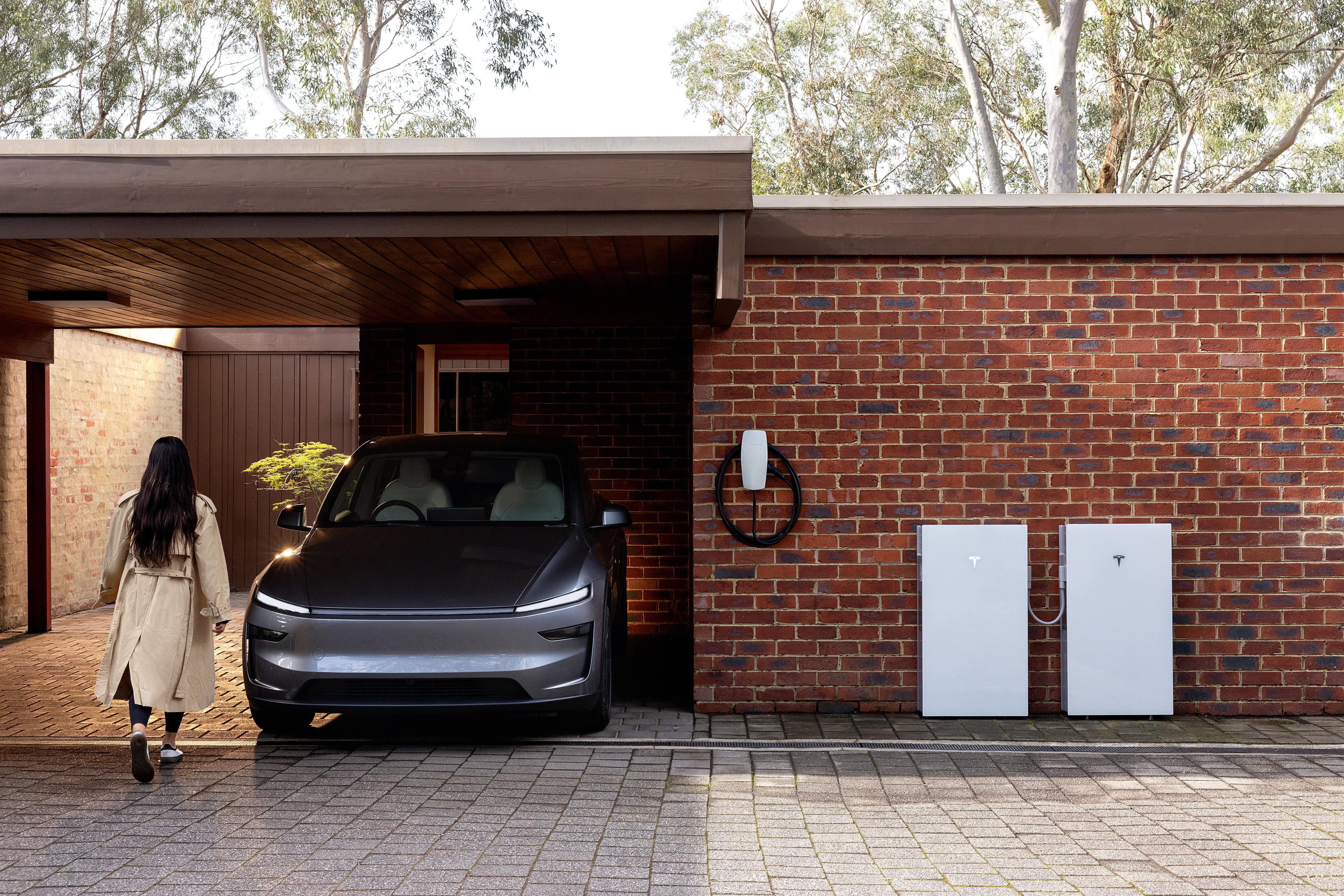
If the battery can run your appliances together but you need them to run for longer, look at stored energy. Each Expansion adds another 13.5 kWh. Expansion units do not have their own inverter, so the configured AC output stays the same.
| Configuration | Stored energy |
|---|---|
| 3P alone | 13.5 kWh |
| With one Expansion | 27 kWh |
| With two Expansions | 40.5 kWh |
| With three Expansions | 54 kWh |
Check how much spare solar you have to refill that capacity. Tesla lists up to 5 kW continuous charging for the 3P alone and up to 8 kW with Expansion units. On a winter day, the spare energy from your roof may set the limit.
For larger installations Tesla lists up to four Powerwall 3P units and three Expansions, totalling 94.5 kWh. The system maximum of 60 kW is subject to operating conditions, design and network approval.
WA and federal rebate eligibility
As at 8 November 2026, Powerwall 3P is ineligible for the WA Residential Battery Scheme. If you are weighing up a quote today, leave the WA rebate out of your figures.
The federal Cheaper Home Batteries Program has its own requirements. Powerwall 3P is not currently CEC listed, and the federal discount requires an eligible listed configuration. A future CEC listing alone would not establish WA eligibility. The state scheme also requires supported equipment for your electricity retailer and participation in a virtual power plant.
See the WA battery rebate guide for the retailer requirements and how the two programs work.
Orders and installation dates
We’re taking orders now. We expect stock in January or February 2027 and are scheduling installations for February or March 2027. We may be able to bring a job forward if listing, stock, site approvals and a place in the installation schedule all line up.
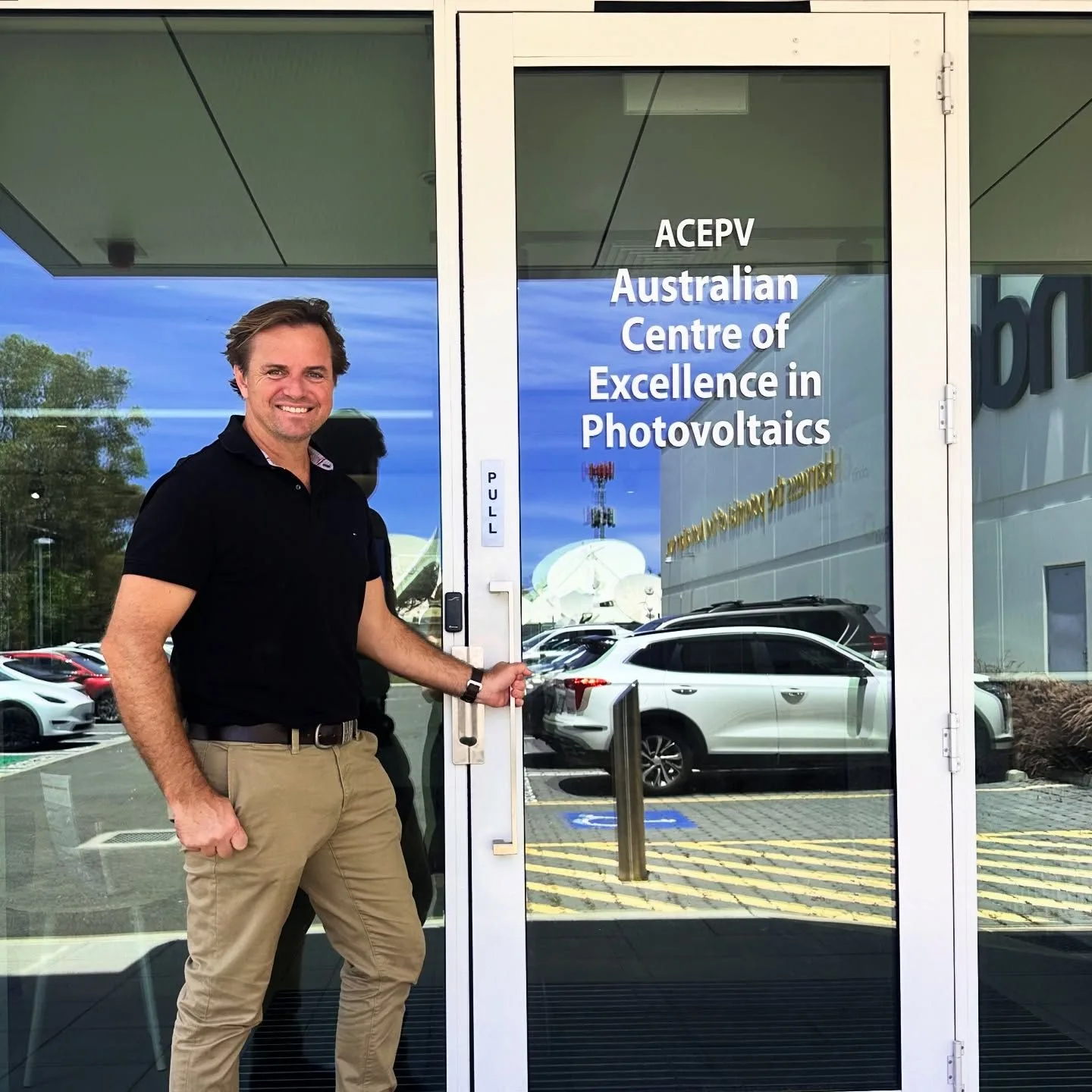
“It’s worth ordering now and waiting because you’re getting the ideal solution.”
 Derek McKercherElectrician and founder, PSW Energy
If three-phase backup matters to you, tell us which appliances you want to run and what solar you already have. We’ll work through the equipment, installed price and expected timing with you before you order.
Sources and review notes
- Tesla Powerwall 3P AU/NZ datasheet, nine pages, 2026 edition. Original PDF metadata dated 30 October 2026; reviewed 8 November 2026.
- Tesla Australia: what to expect from Powerwall 3P, including compatibility and public availability statements.
- Clean Energy Regulator: solar battery eligibility and the CEC approved battery list.
- WA Residential Battery Scheme: information for industry.
Originally published 6 November 2026. Updated with the AU/NZ datasheet on 8 November 2026. WA scheme status, ordering and scheduling information supplied by Derek McKercher on 8 November 2026. Availability and installation months are estimates. This is a specification review, not a report of a completed PSW Powerwall 3P installation or an independent performance test.