

In this article
The same panels and battery can cost different amounts to install from one Perth home to the next. A good quote shows where your home fits the advertised package and what extra work, if any, the installer has allowed for.
- When the base price fits
- A single-storey home with a tin roof, one tidy group of panels and room in the switchboard is the kind of job the base package is designed for. The supply is usually single-phase unless the package says otherwise.
- When the quote needs more work
- A tiled roof, panels across several roof faces or a crowded switchboard can all add labour and materials. An air conditioner, pump and EV charger added over the years may have used the space the crew now needs for backup wiring.
Derek McKercher says the layout of the house and the room it has for additions often tell you more than its age. For published amounts, see the installation price guide.
Before you get a quote
We can usually get a first look at the roof from satellite imagery. A few details from you help us see what’s possible at ground level.
- Your switchboard
A clear photo of the outside and any labels you can see. Leave electrical covers in place.
- Where the equipment could go
A wide photo of the spot you have in mind, such as the garage wall or an area near the switchboard.
- A recent Synergy bill
One bill is a good start. If you have two, they help show how your electricity use changes.
- Details of any solar you’re keeping
An invoice or agreement listing the equipment is helpful. Otherwise, send one photo of the inverter from at least two metres back and a close-up of its specification label, if you can safely reach it.
Let us know about any hidden access issues, past alterations or known hazards when we walk through the job.
Solar and roof work
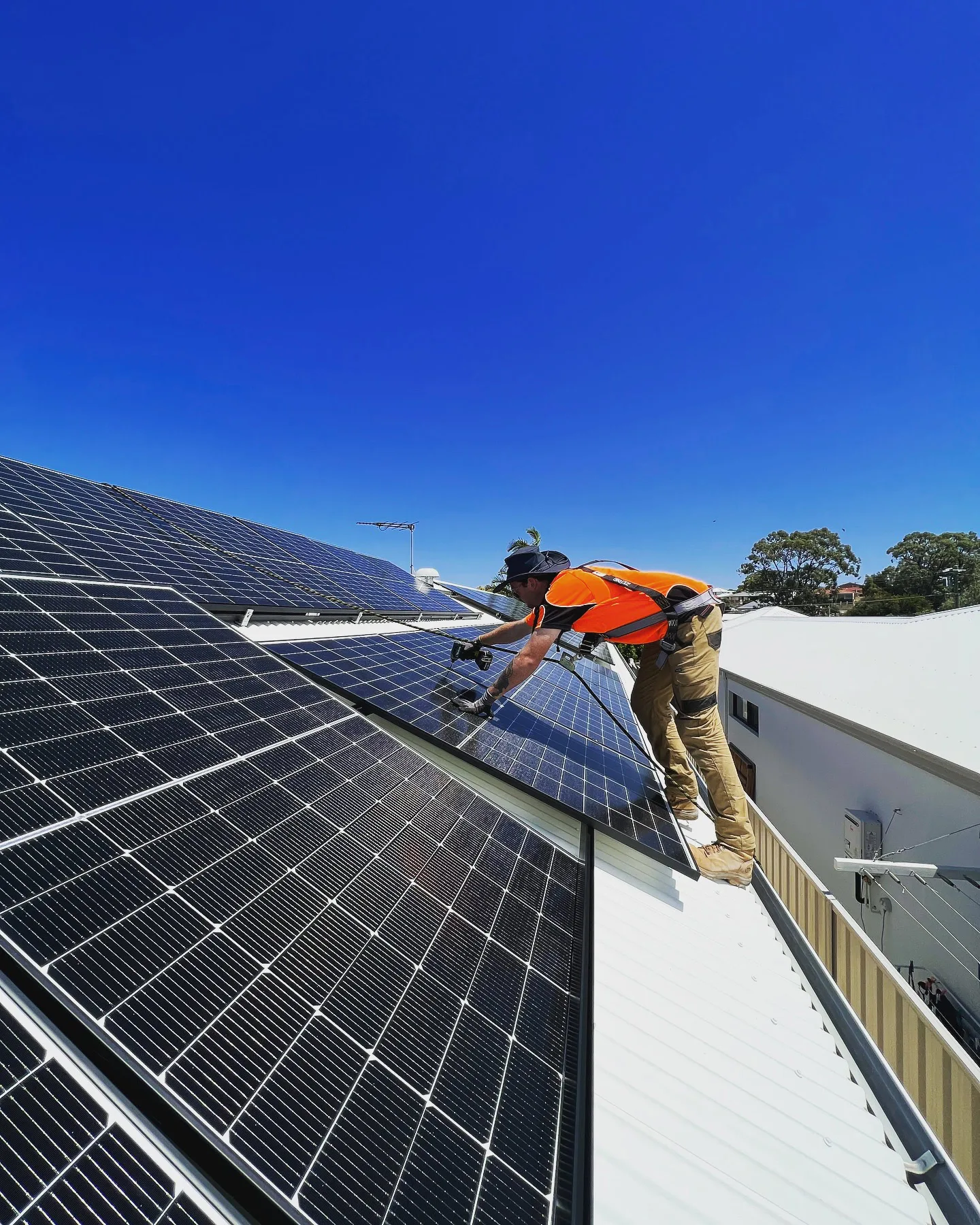
On a tiled roof, the crew lifts individual tiles to fit the right brackets. A split array may need extra cabling between roof sections. On a taller home, even a lower roof can involve access or cable work elsewhere in the building. Ask which roof faces the quote covers and what access equipment is included.
As a guide, PSW lists $110 – $660 for tiled roof mounting, depending on the size of the array. Split arrays, multi-level access and switchboard work are separately listed. If the board needs work, ask whether the quote covers a new protective device on a circuit or a larger upgrade.
If old panels are coming down, check the panel count, what will be electrically disconnected, who will take the panels away and where they will go. If panels are staying, ask whether the new equipment can use them and what testing or rewiring is included. See when to keep or replace your solar panels.
Batteries and backup
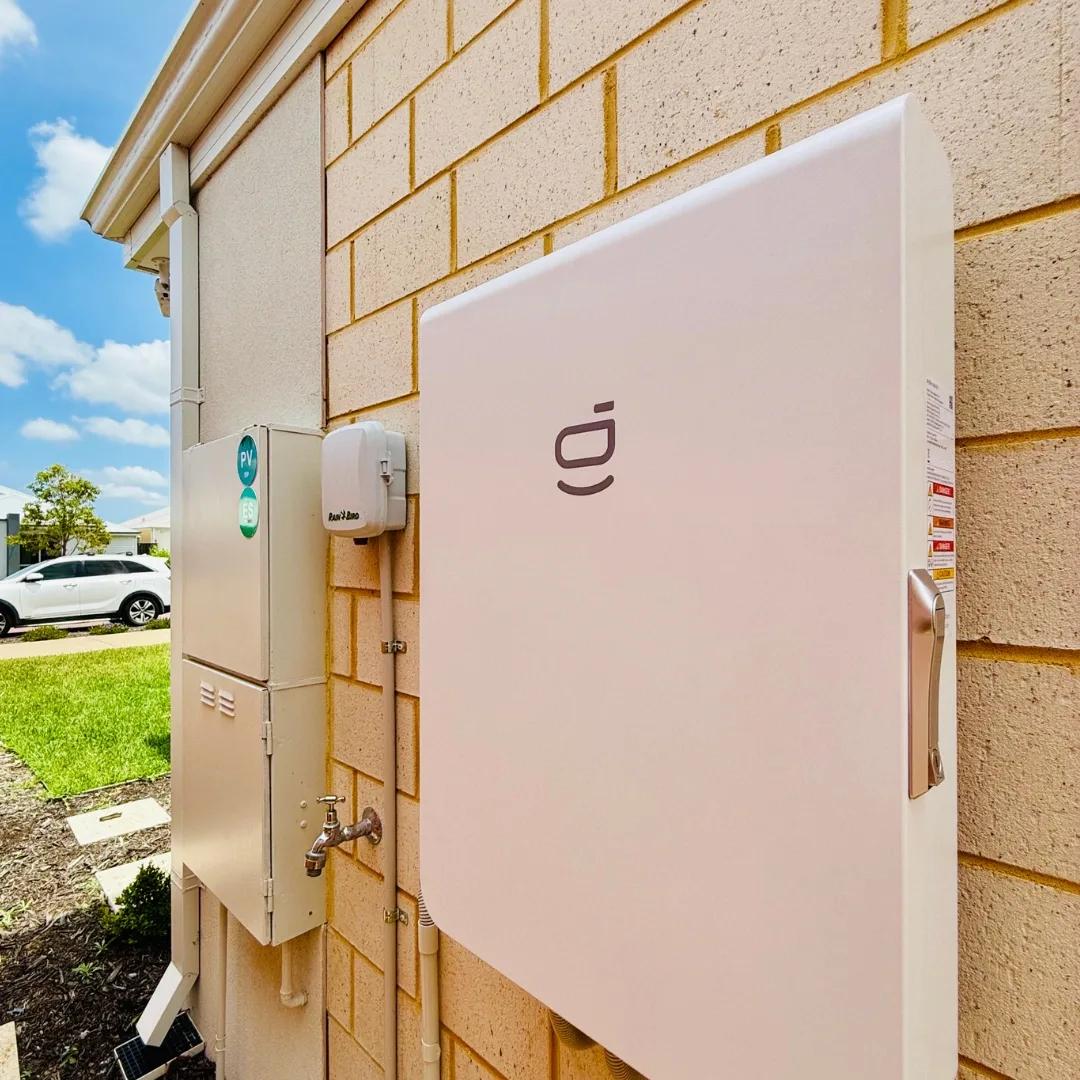
Keep the battery location and the gateway location separate when you discuss the design. A backup gateway connects at the switchboard. Keeping it nearby can simplify the cable route. If it needs to sit further away, have the quote show the proposed route and how many metres you’re paying for.
Backup pricing depends on the system and which circuits you want to run during an outage. Ask the installer to name those circuits. If you’re adding to existing equipment, check whether your inverter needs a paid activation and whether the battery configuration needs a mounting or stacking kit. See the published battery costs.
EV charging
Show the installer where the car parks and where the charging port sits. A charger on the other side of the garage or in a detached carport can change the route from the switchboard. Ask whether the quote includes the full cable run and any extra electrical work.
Three-phase wiring alone won’t give every car 22 kW. The circuit, charger settings and the car’s onboard charger all affect the rate. If you want the charger to follow spare solar, ask what the chosen equipment can do and whether it needs a separate meter or sensor. See the published EV charging costs.
What needs a site check
If the photos leave a question about the cable route, the switchboard or a proposed equipment location, PSW sends a technician to check before issuing a final fixed quote. A visit can also help price work between buildings, underground cabling, roof access and extra communications wiring.
Ask which items are firm and which depend on conditions the installer has described in the quote. For a per-panel or per-metre charge, look for the quantity alongside the rate.
If the work changes
“It’s not until we start lifting tiles that we get a true understanding of the structure below.”
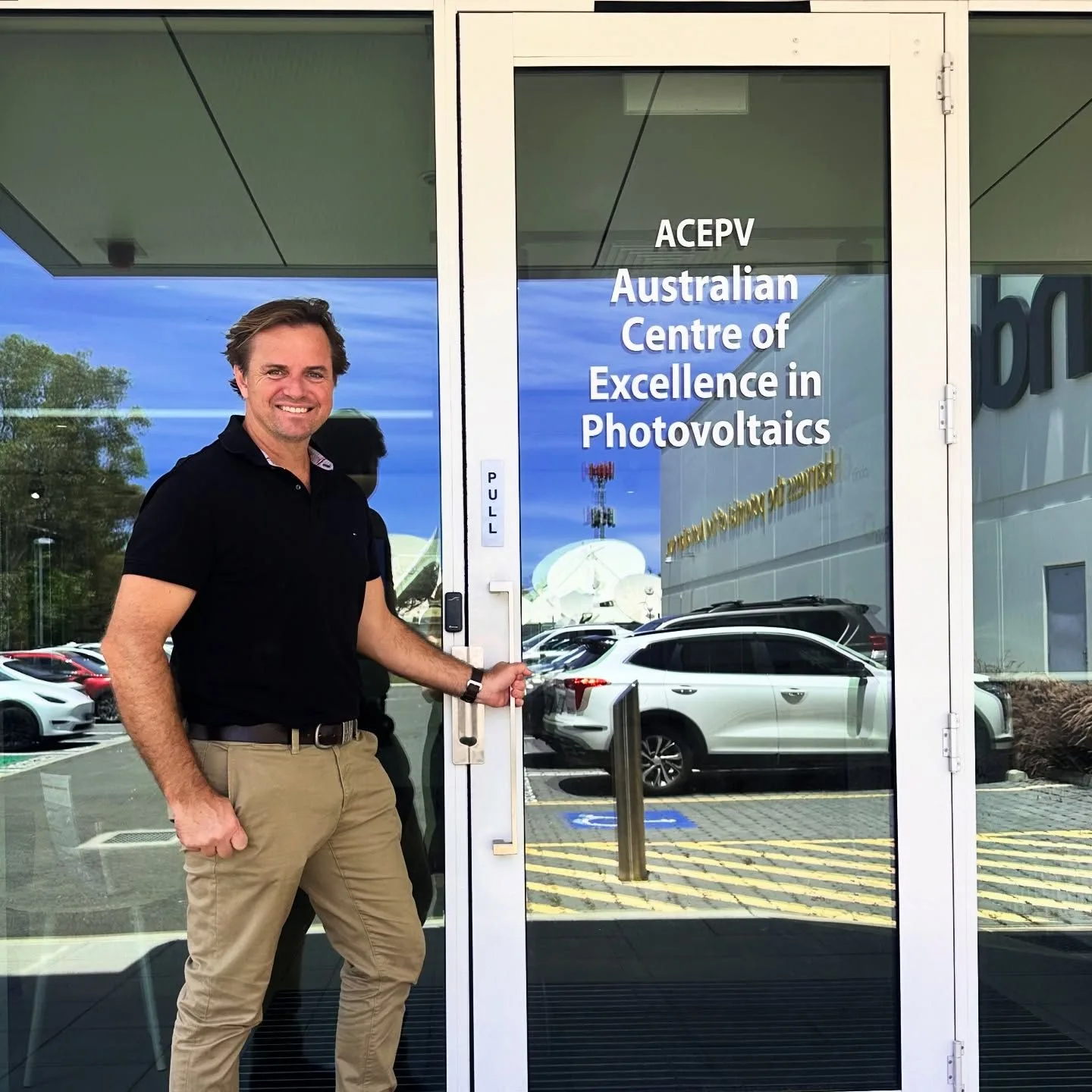 Derek McKercherElectrician, founder, and director
Some conditions only become clear once work starts, even after a site visit. If the crew suspects asbestos or finds another hazard, PSW stops the affected work until it can be assessed safely.
If the job needs to change, ask what the crew found, what will change and whether it affects the price, design or timing. PSW documents the change and agrees it with you before the revised work proceeds.
The updated New Energy Tech Consumer Code takes effect on 1 December 2026. It expressly requires Approved Sellers to document changes to the design or proposed performance and agree amendments before installation. Where a significant design change is unacceptable to you, or unforeseen site conditions lead to extra charges the seller will not absorb, the Code sets out when you can end the contract and how a refund is handled.
Sources and further reading
References checked .