How to compare panels, inverters and storage before you shortlist, and where a spec sheet stops being useful.
58 articles in the Journal · Page 5 of 5
Clear filtersModule efficiency helps compare how much power fits on a roof; temperature performance adds another check. These rankings reflect 2023 products; check current datasheets and availability before buying.
Meet the team responsible for aftercare before choosing an installer. A warehouse visit or a remote check can help you assess the business behind the quote.
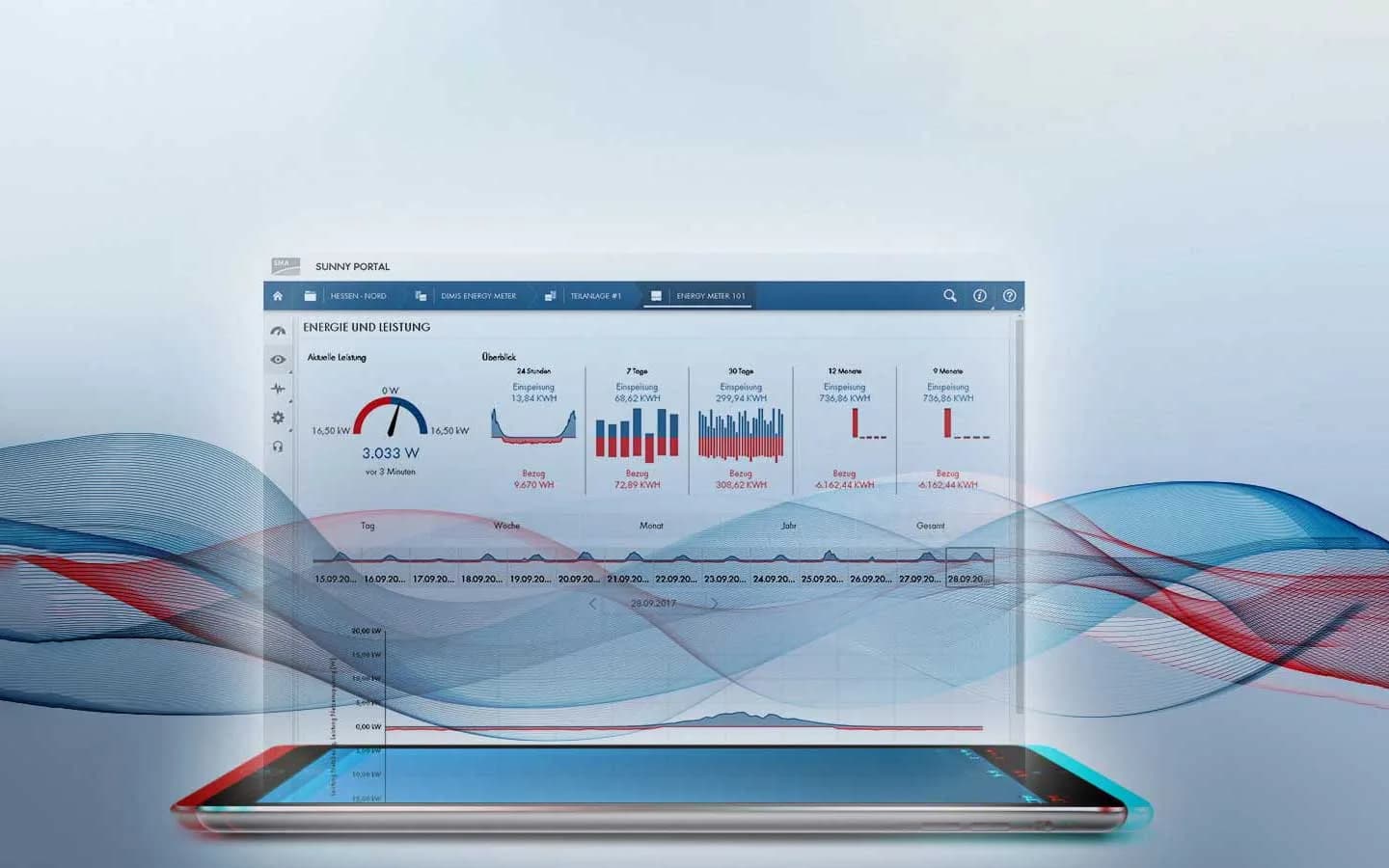
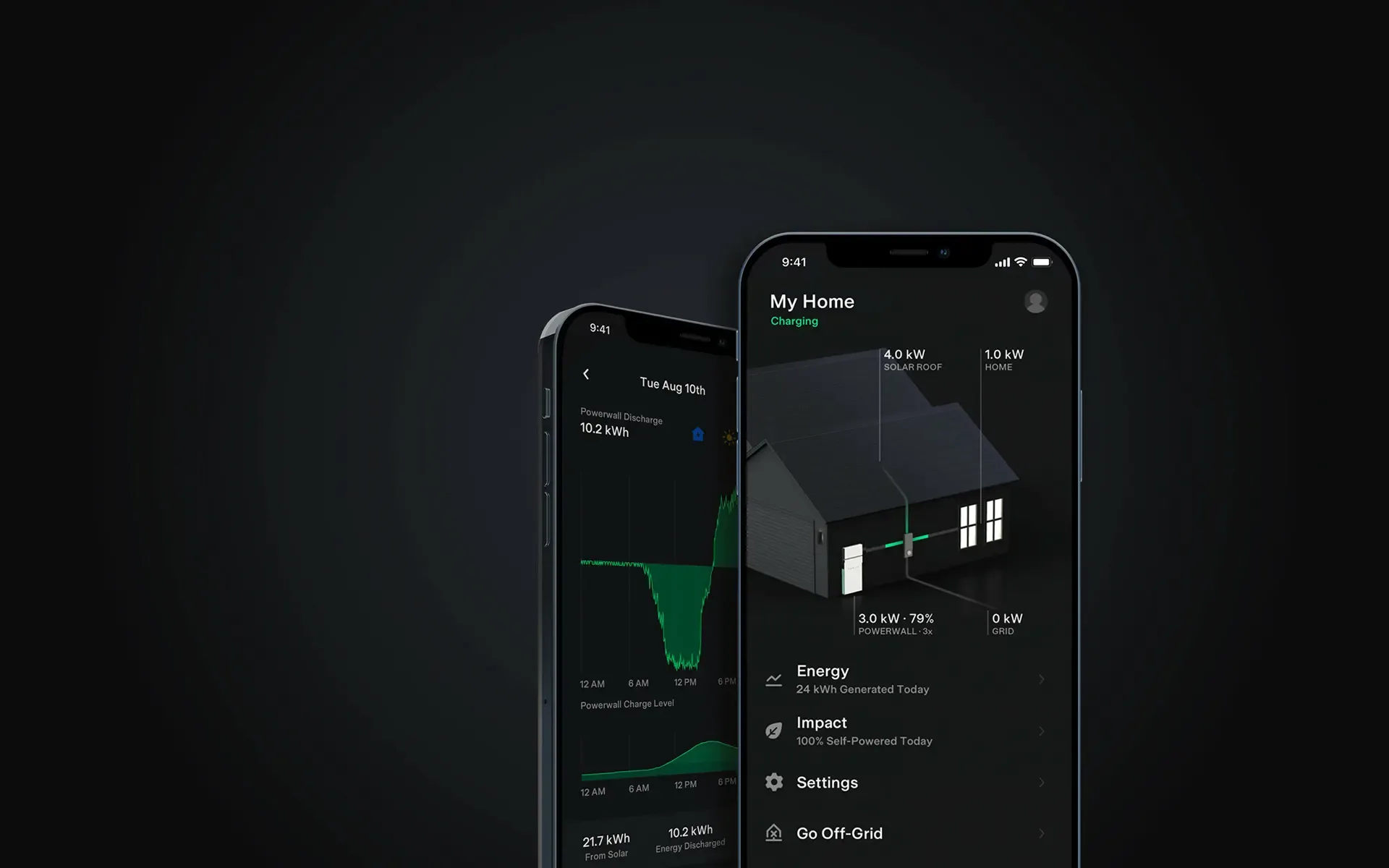
Read the articleGrid import and export readings help you match appliance use to solar production, adding household demand to the figures in your monitoring app.
Read the articleKeep your Wi-Fi details ready for installation day and your handover documents where you can find them. Your project hub brings together the agreement and records from the work.
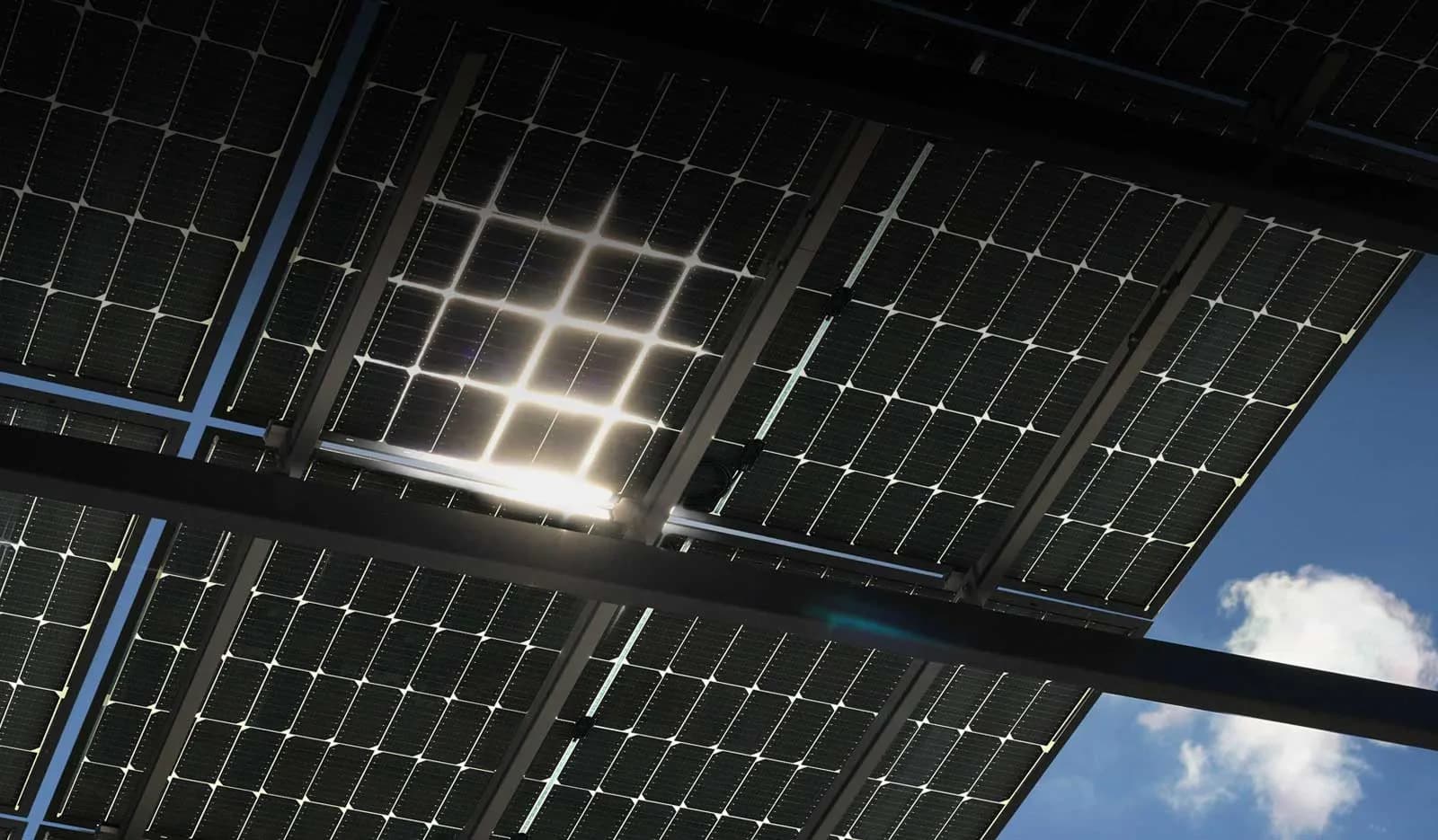
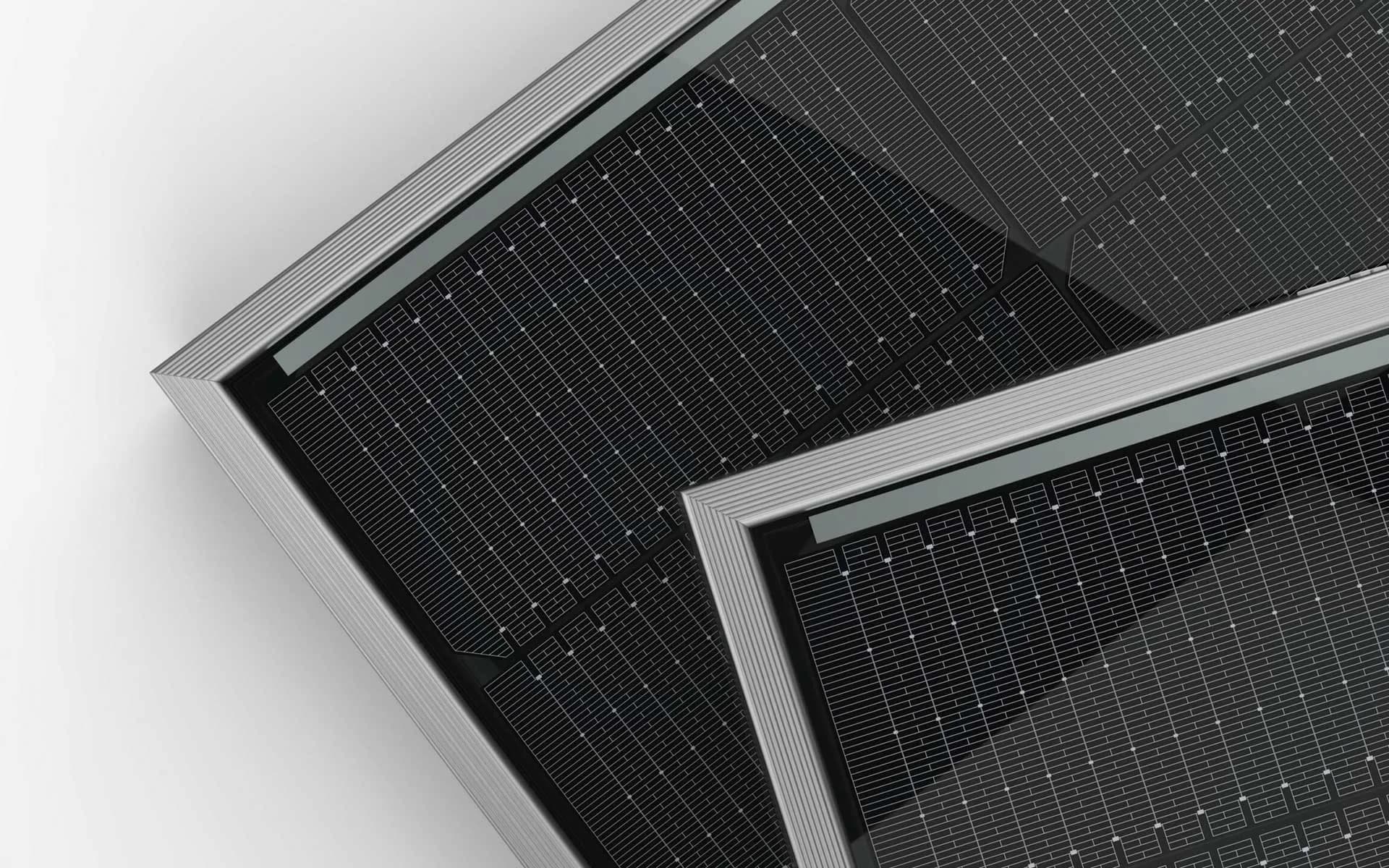
Read the articleCheck the module’s temperature coefficient when comparing TOPCon panels for a hot roof. Rear-side generation claims also need weighing against how the panels will be mounted.
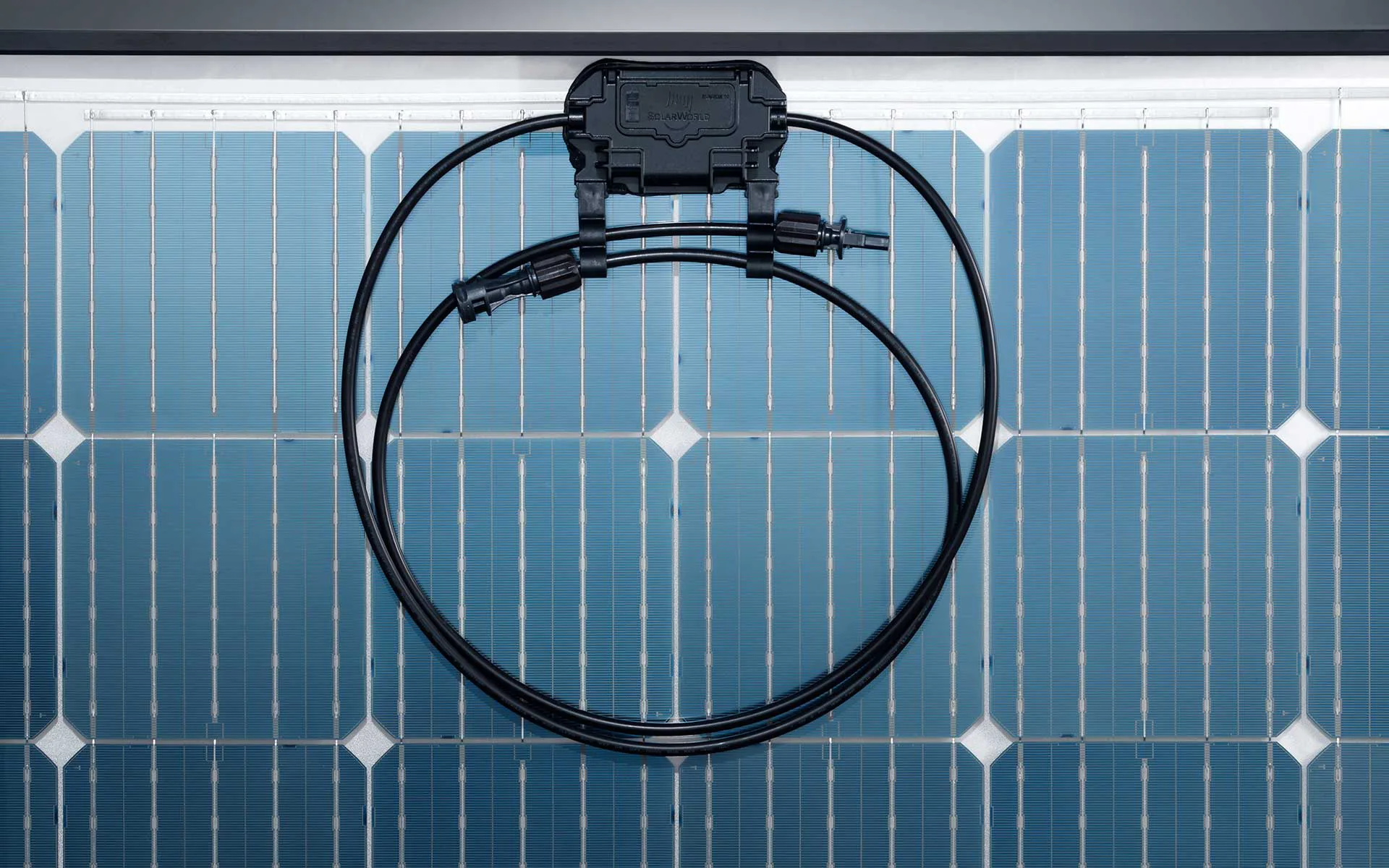
Read the articleAsk for the encapsulant and rear-cover materials used in the panel model on your quote, then check the warranty exclusions for labour and freight.
Read the articleCompare panel output per square metre using the datasheet's temperature assumptions. Treat a NOCT-based estimate as a comparison tool, with local roof conditions assessed separately.
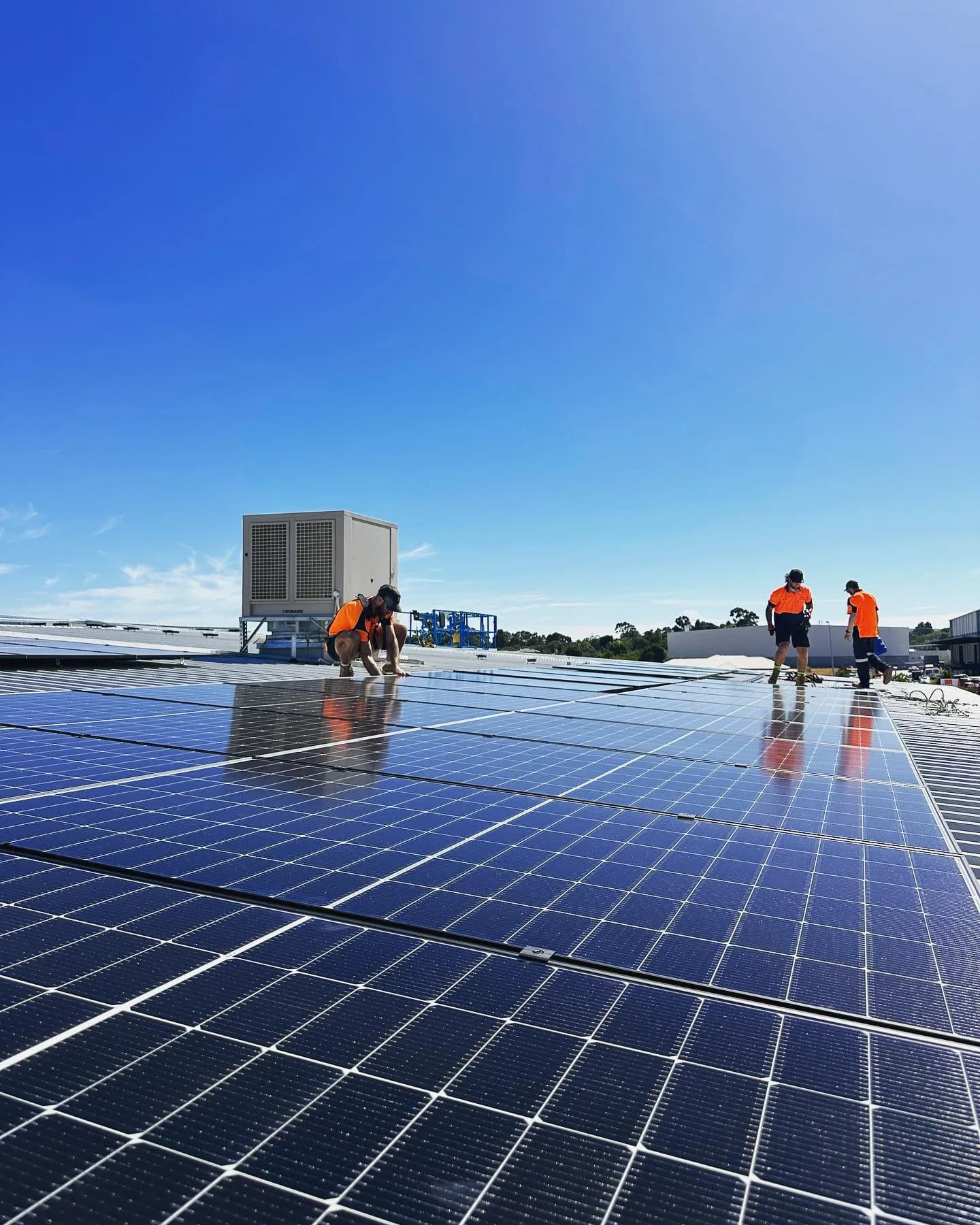
Read the articleCompare commercial solar around your daytime electricity use, funding options and monitoring needs. Know what to ask before signing a quote.
Read the articleImport and export readings add context to the solar production data in Fronius Solar.web. They can help you decide when to run appliances using your own generation.
Read the articleMatch panel orientation to the hours you use electricity at home. An east-west layout may spread generation across the day, but suitability still depends on the roof and your consumption.
Read the article