
In this article
A battery stores energy. A useful home energy system also helps decide when to use it, when to draw from the grid, and when spare solar could do a job around the house.
Give the energy a job.
For Derek McKercher, the idea of an energy router starts with the cost and availability of energy. Solar, stored energy and grid electricity become available at different times, with different costs attached. The useful task is to coordinate them around what the household needs.
That might mean charging the car while the sun is out, heating water before the evening, or holding some battery energy for an outage. The inverter, meters and compatible controls work together to manage those choices. The sources share the home’s electrical connection; the controls coordinate supply and demand.
Some systems use forecasts and learned consumption patterns to adjust their plans. Derek sees this developing around each home’s habits, including the difference between weekdays and weekends. What a particular system can learn and control depends on its equipment, software and supported integrations.
Follow an ordinary day.
Solar generation and household demand change through the day. These examples show where power can go as the situation changes.
One home. Different moments.
Follow the power as the situation changes.
Store some. Export the rest.
& controls
The house uses 2 kW. The battery accepts 3 kW, leaving 1 kW for an approved export connection. The car is not charging.
Illustrative power at one moment. Assumes compatible equipment, sufficient battery charge or headroom and the stated connection. These are separate situations, not a forecast, a wiring diagram or one product’s automatic sequence. Actual control and backup arrangements vary.
The figures show power, measured in kW, at one moment. Battery capacity is energy, measured in kWh. These snapshots explain the direction of flow; they do not calculate a daily bill or how long backup will last.
The next layer is timing and cost. A charging window that suits one household may be inconvenient for another. Spare solar might be useful for hot water now, while the battery retains enough energy for the evening. Those priorities belong in the design.
Put spare solar to work.
Derek’s point extends beyond filling a battery. If solar would otherwise be exported for a modest return, there may be a useful job it can do at home. The job still needs to be worthwhile: running an appliance unnecessarily adds consumption.
- A comfortable home
- Pre-cool or pre-heat suitable rooms while solar is available. The building’s thermal mass can help hold that comfort for later. The home’s insulation, shading, construction and weather determine how much comfort carries into the evening.
- Hot water for later
- A heat pump can heat its tank during a useful daytime window, storing energy as hot water. A timer sets the hours. Compatible solar-responsive controls can go further by reacting to available surplus. Surplus-following operation needs both measurement and a supported way to control the heat pump.
- A car ready to leave
- A compatible charger can vary charging demand with the spare solar, within its operating limits. Set a departure requirement too, so the car can receive a dependable charge when sunlight is insufficient.
This is the wider role Derek sees for the system: coordinating useful consumption as well as storage. Air conditioning and hot-water control need a supported appliance interface and installation.
Our solar EV charging guide takes the same approach to when the car is home and how it is charged.
Control that fits a busy home.
“Smart control: busy lives, simple as that.”
 Derek McKercherElectrician, founder, and director, PSW Energy
A timer can work well for a large, predictable job. Derek sees more value in responsive control when family members arrive at different times, travel changes the routine, or several appliances compete for the same solar.
A fixed schedule starts at the chosen hour. A compatible controller can respond to measured demand and available solar, delaying a flexible load when other household use rises. The settings still need to get the job done: hot water available, rooms comfortable and the car ready when required.
Monitoring makes those decisions more informed. A meter on the mains shows the site’s overall demand and exchange with the grid. To see an individual outlet or appliance, the system needs suitable device-level measurement or a supported integration. Remote access can help a busy family or frequent traveller check what is happening and adjust supported settings.
Derek sees the value growing as more household activities become electric. Start with the loads worth managing, then add control where it makes daily life easier.
Choose the ecosystem around your home.
Derek would start a new purchase by looking at the car, battery and devices he wants to bring together. A system focused on individual appliance control can suit a different household from one built around a closely integrated car and home battery.
- Appliance visibility
- Derek points to Sigenergy and EcoFlow as ecosystems to investigate when detailed monitoring and control matter. Sigenergy describes Shelly integrations in its mySigen material; EcoFlow’s Australian compatibility list includes supported smart plugs and Shelly meters. Confirm the exact devices and whether each integration measures, switches or schedules a load.
- Car and home together
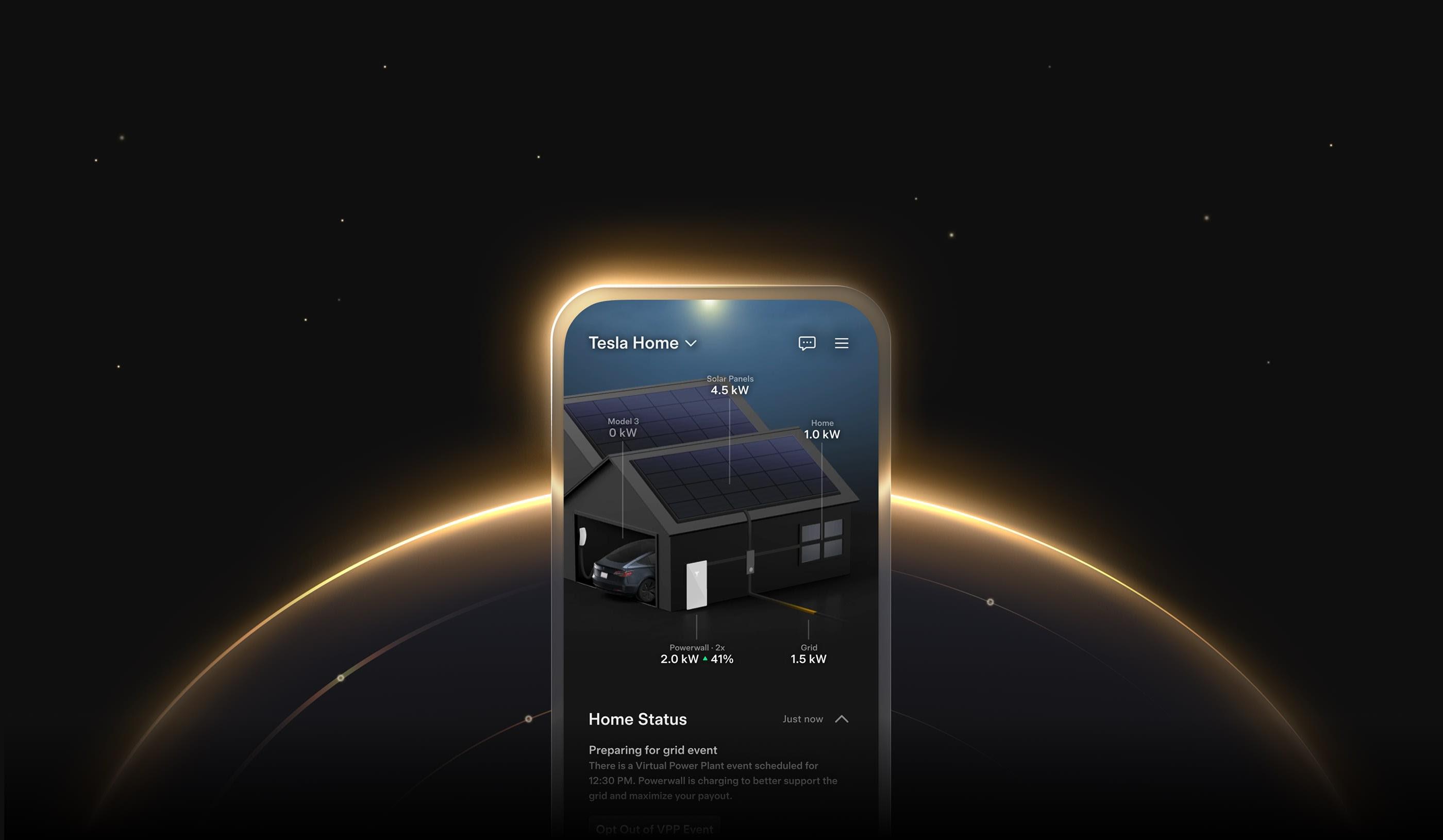
- Tesla brings vehicles, Powerwall and charging controls into its app. Its Australian Charge on Solar feature is one example of coordination between a compatible Tesla vehicle, Powerwall and solar. This is a useful reason to consider the ecosystem alongside the equipment specifications.
- More systems evolving
- GoodWe also describes a home energy management gateway with forecasting and connections to supported chargers, heat pumps and smart devices. Global product descriptions show the direction of development; the supplier should establish Australian availability and the features included in your proposed system.
Open communication standards can make integration easier, but the quoted combination still needs to be supported. Ask what works locally, what depends on the cloud, and whether extra controllers or subscriptions are required. Existing solar may be worth retaining if its condition and compatibility suit the design.
Set your priorities.
Enter the electricity plan you actually use. Synergy’s Home Plan (A1), Midday Saver and EV Add On have different pricing arrangements. Supported controls need the correct buying and export rates; compare the whole household bill, including supply charges and conversion losses. Solar has no fuel bill, but using it at home can mean giving up export income.
- Everyday use
- Using stored energy after sunset leaves less in the battery if an outage follows. A reserve setting can hold some energy back, subject to the equipment and any programme conditions.
- Flexible loads
- Set useful limits: when hot water is needed, which rooms to condition, and when the car must be ready. Supported automation can work within those instructions as the available energy changes.
- Backup
- Reserve settings cannot create a backup connection. The gateway or changeover equipment, connected circuits and power limits determine what can operate when the grid is unavailable.
Connection and programme conditions.
The approved connection, export settings and any virtual power plant agreement also shape what the system can do. Inverter capacity is not an export allowance, and a setting in an app does not replace network approval.
Have the installer confirm the current WA connection and communication requirements for the complete site. If a VPP operator can hold, charge or discharge the battery during events, establish how that interacts with household use and reserve settings under the provider’s current terms.
For the circuits and appliance limits behind a backup quote, see Battery backup. What stays on?
The car changes the picture.
Derek’s starting recommendation remains to plan stationary storage around the house, use surplus solar for the car where practical, and compare suitable low-cost grid charging for the rest.
He also sees a longer-term role for energy moving back from the car. A vehicle charged at another destination could contribute to the home later, with the home system coordinating the sources and retaining some backup capability.
Buying into an ecosystem is one consideration; confirming a working vehicle-to-home arrangement is another step. It needs a compatible vehicle, bidirectional equipment, an approved design and written network connection approval. Vehicle warranty terms must cover the intended use. Tesla’s Australian guidance excludes damage caused by third-party vehicle adaptors or chargers, so confirm coverage for the exact vehicle and proposed bidirectional equipment.
Ask the supplier to identify what the proposed combination can do now, the extra equipment needed for a later addition, and anything that remains a future software or product promise.
A useful design conversation.
Bring a recent bill, useful monitoring history and the models of any solar, battery, air-conditioning, hot-water or charging equipment you already have. Add the likely changes: a second EV, different working hours, or more electric appliances.
Describe the household routine as well as the equipment. The car needs a charge before work. Hot water matters after sport. Particular circuits need to stay available in an outage. Weekends look different from weekdays.
Ask for the proposed settings and supported integrations alongside the equipment list. The handover should demonstrate normal energy flows, remote access, owner adjustments and what happens when the internet is unavailable. Revisit the settings when your tariff, routine or appliances change.
Sources and review notes
- YourHome: heating and cooling and thermal mass. Pre-conditioning benefits depend on the building and its operation.
- YourHome: hot water systems. Daytime scheduling can use solar; a timer alone cannot ensure that only surplus solar supplies the load.
- Sigenergy: mySigen and supported smart devices, EcoFlow Australia: compatible devices and GoodWe: EzManager3000. Product and market compatibility must be confirmed; global or European descriptions do not establish availability of every feature in Australia.
- Tesla Australia: Charge on Solar, Self-Powered, Savings mode and Backup Reserve. Examples of named controls and their compatibility requirements.
- Synergy: standard electricity prices and charges. Check the current plan, rates and eligibility; no tariff comparison or earnings forecast is made here.
- WA Government: solar and battery requirements for consumers, Synergy Battery Rewards terms and programme guide. Connection permissions and programme participation have separate conditions.
- Western Power: bidirectional EV connections and Tesla Australia: vehicle warranties. Confirm the vehicle, equipment, warranty and written connection approval for the intended use.
Sources checked 10 November 2026. The visual uses illustrative instantaneous power, not one manufacturer’s automatic control sequence. Derek’s advice and outlook come from his firsthand editorial discussion; equipment capabilities must be confirmed for the installation.