

In this article
Powerwall 3 adds an integrated solar inverter and more output options. Both Powerwall 2 and Powerwall 3 store 13.5 kWh of usable energy per unit. The useful comparison is how each connects to your home, the solar you already have and the equipment you can add later.
If you already own Powerwall 2, start with its condition and whether it still meets your needs. A newer model alone is no reason to replace a working battery. Check the recall guidance below before planning any changes.
The differences that matter.
Existing owners
Powerwall 2

13.5 kWh usable
An AC battery with its own battery inverter. Your solar uses a separate solar inverter.
Current PSW range
Powerwall 3
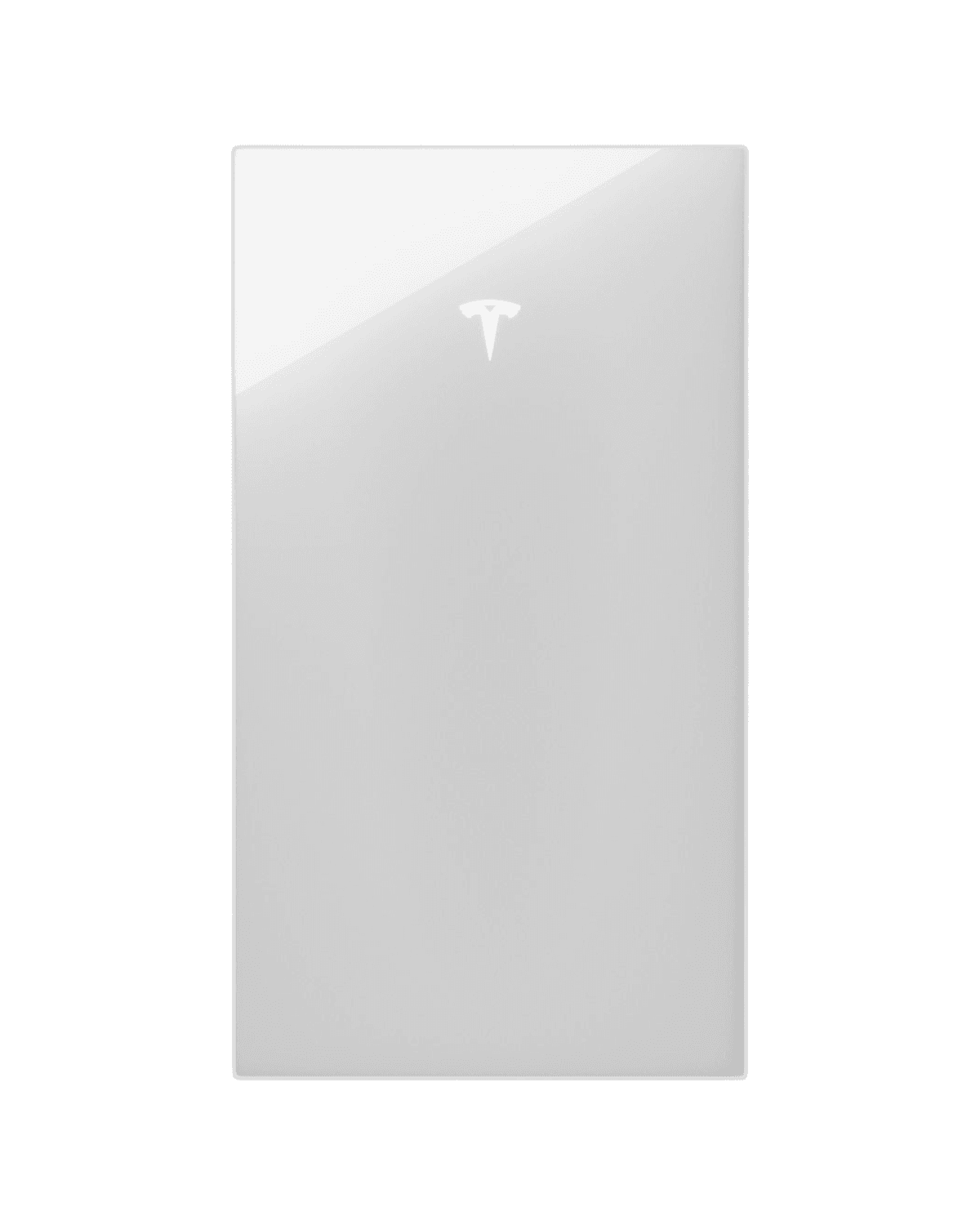
13.5 kWh usable
A battery with an integrated solar inverter. Suitable existing solar can also be assessed.
Sources: Tesla’s Powerwall 2 Australian datasheet ↗ and Powerwall 3 Australian datasheet ↗. Checked 21 October 2026.
Think of kWh as the amount stored and kW as how quickly the system can supply it. Equal storage does not mean equal power output.
| Your question | Powerwall 2 | Powerwall 3 |
|---|---|---|
| Usable storage | 13.5 kWh usable | 13.5 kWh usable |
| Solar connection | Separate solar inverter. | Integrated solar inverter, with three solar trackers (MPPTs). |
| Existing solar | A compatible solar inverter can stay. | Suitable panels and inverter can be assessed. |
| Power output | 5 kW continuous per unit. | PSW offers 5 kW and 10 kW requests, subject to approval. |
| More storage | Eligible systems can be assessed for a Powerwall 3 addition. | Up to three Expansion units with compatible Powerwall 3. |
| Your next step | Support or expansion of your existing system. | Configure a current system. |
Output and compatibility depend on the proposed installation. Expansion units add storage, without increasing inverter output.
Sources: Powerwall 2 Australian datasheet, Powerwall 3 Australian datasheet and Tesla system guidance. Checked 20 October 2026.
Dimensions and output ratings
Powerwall 2 AC: 1150 × 753 × 147 mm, 114 kg. Powerwall 3: 1105 × 609 × 193 mm, 130 kg, including its glass front cover.
The Australian Powerwall 3 datasheet lists 5, 10 and 11.04 kW nominal output ratings. These are equipment ratings, not a promise that every setting is available or approved at your address. Our configurator offers the 5 kW and 10 kW requests we assess for installation.
Already own Powerwall 2?
If your battery is working and meets your needs, keep using it in line with Tesla’s guidance. If you want more storage, Tesla now supports adding Powerwall 3 to eligible Powerwall 2 systems with software version 26.26 or later.
This needs an installer assessment. Tesla’s supported combination has up to four Powerwall 2 units, one Powerwall 3 and up to three Powerwall 3 Expansion units. Gateway 1 and Neurio Meter are not supported. Tesla also specifies a 5 kW Powerwall 3 limit for this combined arrangement on a three-phase grid connection. These conditions are specific to the combined system.
We need to check your gateway, metering, software, existing equipment and network connection before confirming a design or price. See Tesla’s Australian compatibility guidance, or contact PSW Life Support about your installed system.
Choosing a Tesla system today?
Start with the solar you have, how much electricity you use after sunset and the circuits you want available during an outage. We can then assess a new solar-and-battery system or a battery addition to suitable existing solar.
The Powerwall 3 configurator shows our current choices and conditional guide prices. Your selected equipment and guide can continue into Plan and your enquiry. The written quote confirms the model, installation, eligibility and any extra site work.
For the broader range, including the separate Powerwall 3P pathway and its availability status, visit our Tesla Energy showcase. Having a three-phase home and choosing a three-phase battery are different decisions; confirm the proposed backup arrangement with us.
What output can you use in WA?
There is no single 5 kW rule for every WA installation. Western Power’s current basic connection requirements allow up to 10 kVA inverter capacity for a standard single-phase connection, subject to the applicable system and connection conditions. Other connection types and network areas have different requirements.
Inverter capacity, the amount you may export and the power available during an outage are separate limits. The whole installation matters, including any solar inverter you keep. We confirm those limits for your address before quoting the system. See Western Power’s current connection requirements.
A few useful questions.
Can Powerwall 3 work with my existing solar inverter?
It can be assessed alongside existing solar. Compatibility, metering and the solar allowed within the backup circuit need checking. An integrated solar inverter does not mean every existing inverter must be replaced. Tesla explains the options in its combining systems guidance.
Can Powerwall 3 be added to my Powerwall 2?
Yes, for eligible systems with the required software and equipment. Start with the existing-owner checks above. A Tesla Certified Installer must confirm the supported combination.
Will either battery back up my whole home?
Backup depends on the installed gateway, circuits, phase arrangement, available charge and the loads running together. Ask us to identify exactly what the proposed system can support during an outage.
Can an Expansion unit connect directly to Powerwall 2?
No. Powerwall 3 Expansion units connect to compatible Powerwall 3 equipment. They add storage capacity, not extra inverter output. An eligible Powerwall 2 system needs the supported Powerwall 3 arrangement before Expansion units can be included.
What happens to my warranty if I add Powerwall 3?
Tesla says Powerwall 2 keeps its original warranty. Adding equipment does not restart that warranty. Powerwall 3 and Expansion units have their own 10-year warranties, subject to the applicable terms. Check the Australian and New Zealand warranty and the documents supplied with your existing installation.
Sources and review date.
Reviewed 20 October 2026 using the Australian Tesla datasheets, compatibility and system-design guidance, Australian and New Zealand warranty, Western Power requirements and recall register linked above. The original January 2024 article has been rewritten for current Australian buying and ownership decisions. Confirm the latest documents and your site requirements before ordering.