
In this article
Compare charging, petrol and diesel
For the same 100 km drive, we’ve assumed 16.5 kWh billed at the EV charger, 8 litres of petrol or 7 litres of diesel. Both fuel prices are from Perth on 25 November 2026.
- Diesel carPerth regular diesel$17.28$2,592
- PetrolPerth regular unleaded$16.10$2,414
- Public DC fast chargingWA EV Network example$9.90$1,485
- Transperth station chargingAC trial$7.10$1,064
- Standard home planSynergy A1$5.49$823
- Home overnightSynergy EV Add On$3.29$493
- Home at middaySynergy EV Add On$1.46$219
- Surplus rooftop solarExport credit given up$0.33$50
The diesel car costs about $17.28 per 100 km at 246.9c a litre. That’s the average of 217 regular diesel prices reported to FuelWatch in Perth metro that day.
Charging at home
On Synergy’s flat A1 rate, you’d pay $5.49 to $5.99 per 100 km if your car takes 16.5 to 18 kWh at the charger. The rate is the same whenever you plug in. WA household electricity prices
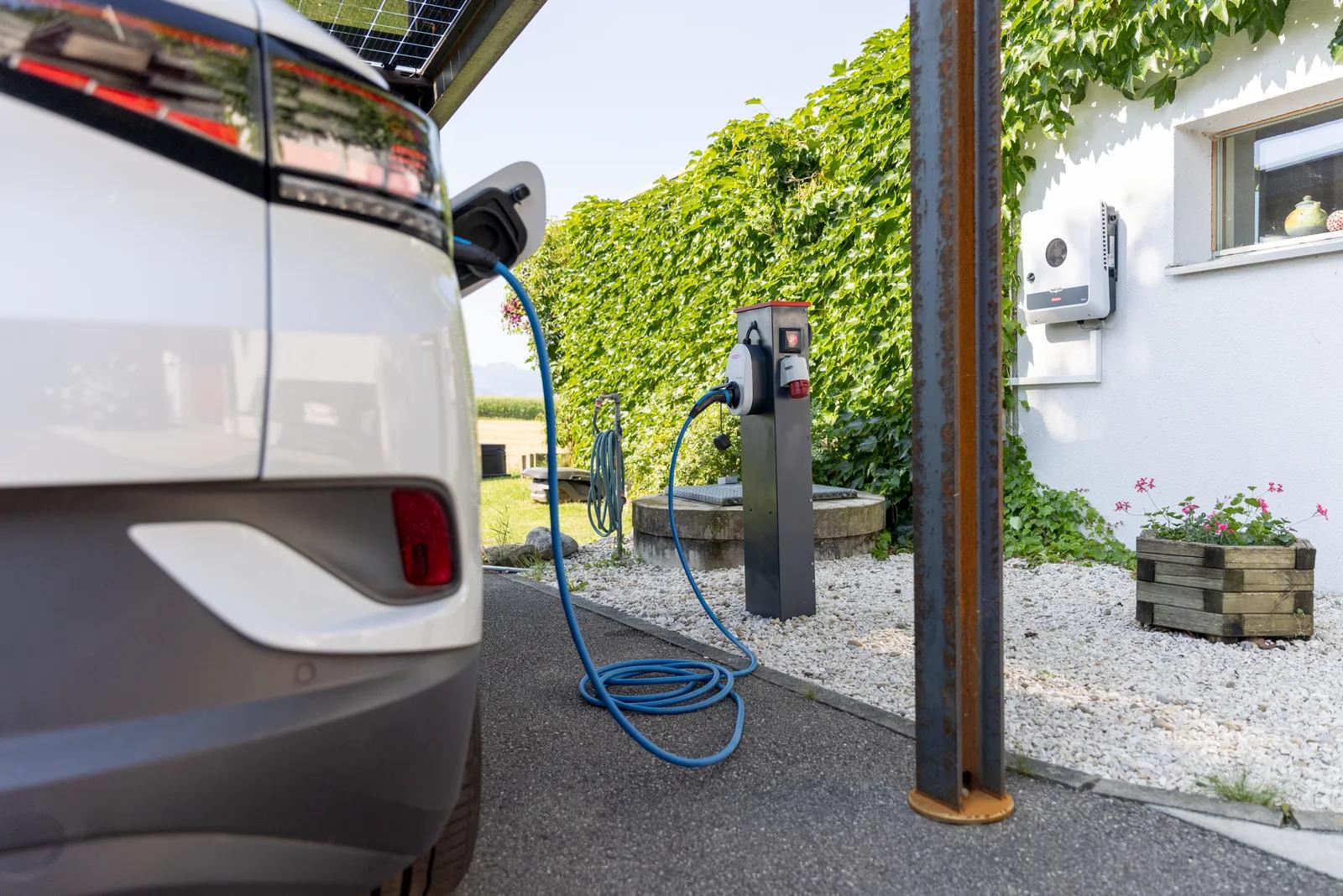
On EV Add On, 9 am to 3 pm is the cheapest time to charge from the grid. If the car comes home during the evening peak, setting it to start at 11 pm brings the example down from $9.13 to $3.29 per 100 km.
| Time AWST | Grid rate c per kWh | EV cost Per 100 km |
|---|---|---|
| 9 am–3 pmSuper off peak | 8.85 | $1.46 |
| 3–9 pmPeak | 55.33 | $9.13 |
| 6–9 am and 9–11 pmOff peak | 24.34 | $4.02 |
| 11 pm–6 amOvernight | 19.92 | $3.29 |
EV Add On changes the rate for the whole house. To qualify, you’ll need an eligible plug-in EV registered at your address and a compatible meter.
Charging from your solar
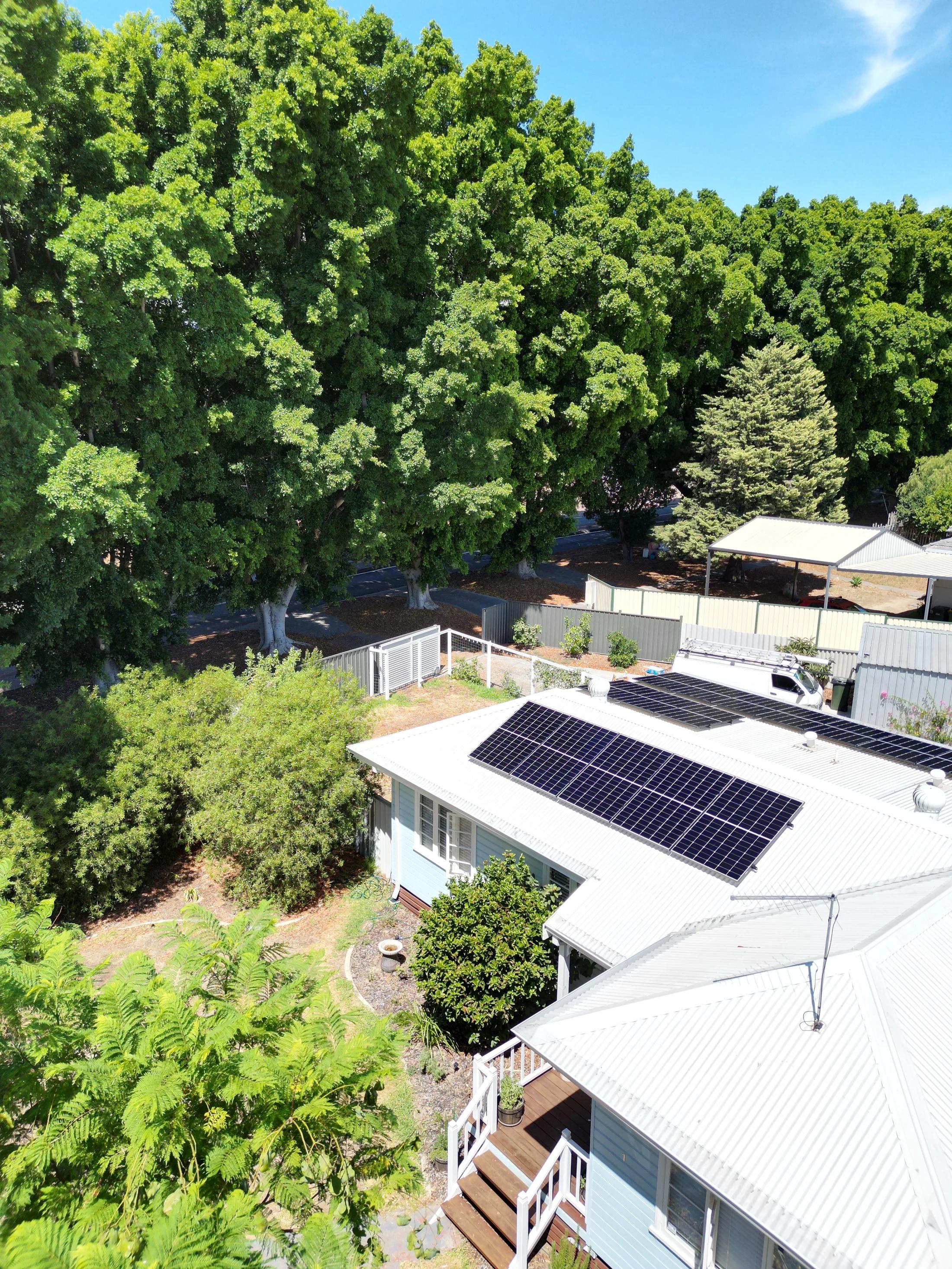
When your panels make more than the house needs, that spare power can charge the car. If you would have exported it for 2c per kWh under Synergy’s daytime DEBS rate, you’d give up $0.33 in export credit per 100 km. Check the feed-in rate on your bill and add the cost of any electricity you draw from the grid. Synergy’s DEBS rates
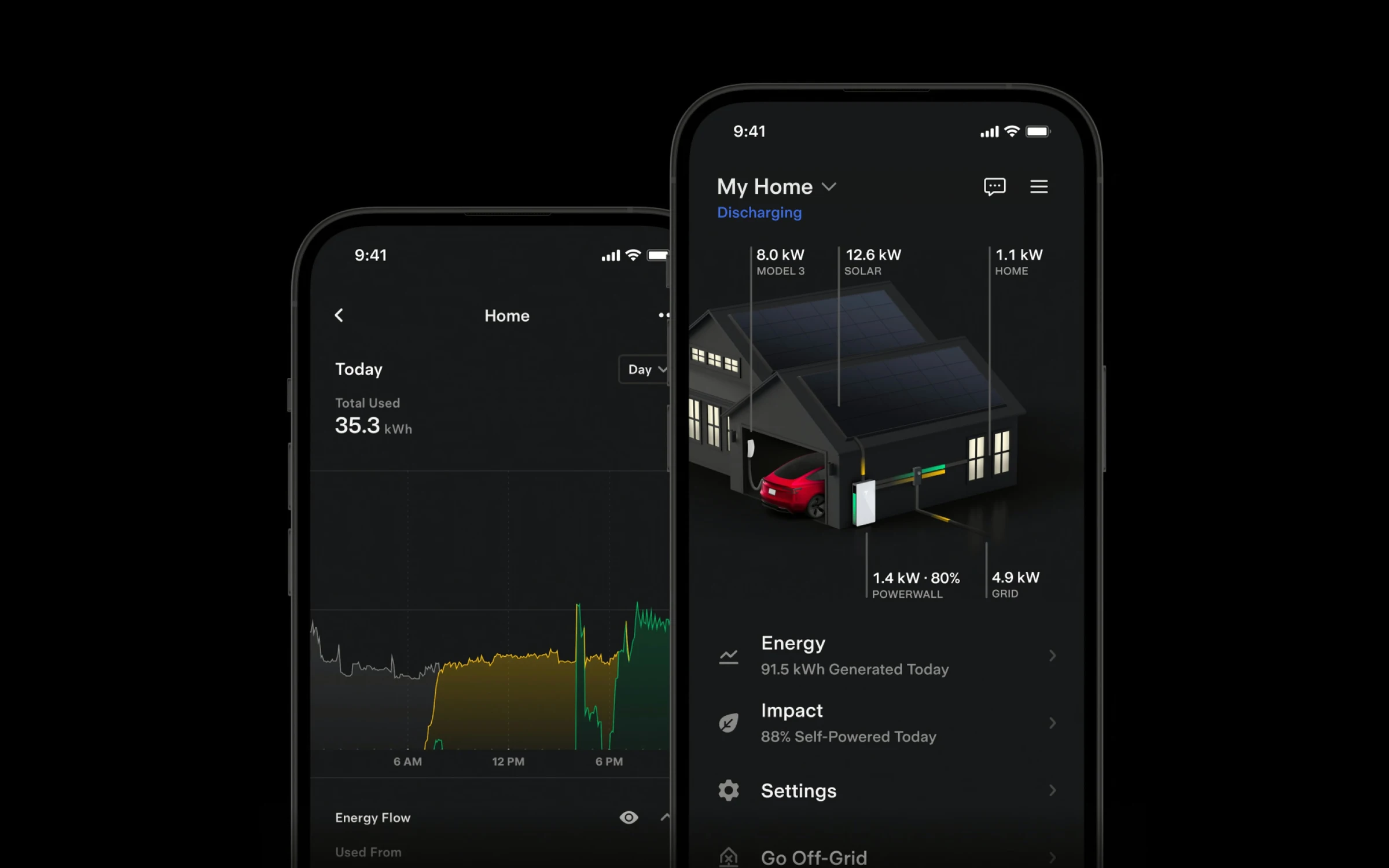
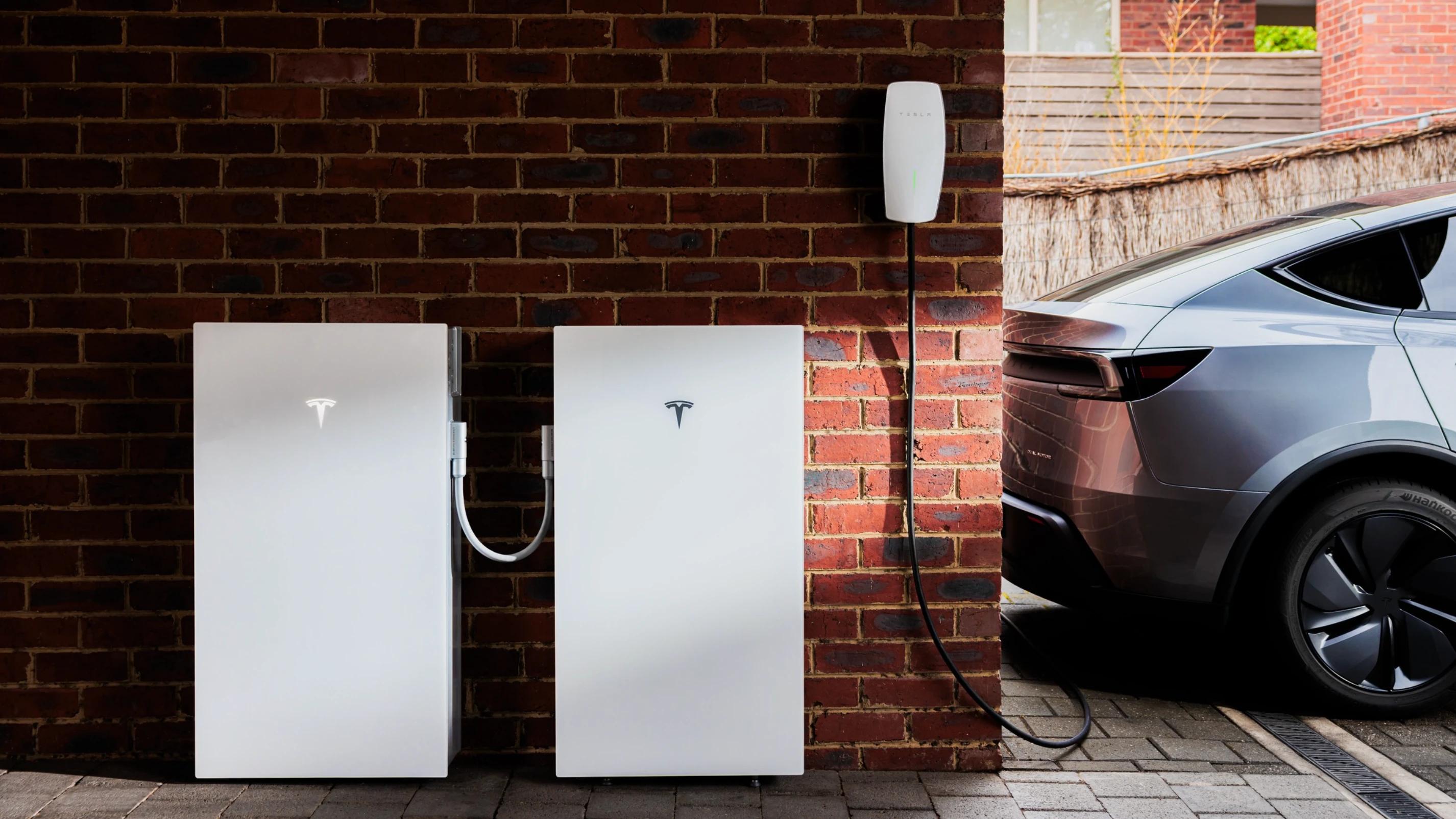
If the car is home during the day, see how to set it up to charge from rooftop solar. If it’s out until evening, a home battery can cover some of the house’s peak-time use while the car waits for the overnight rate. Sending energy from the home battery to the car uses some of the energy in the transfer and leaves less for the house.
Public charging
At a WA EV Network fast charger priced at 60c per kWh, the same drive costs $9.90. Check the price for your connector before you plug in. Eligible RAC members can get 20% off at participating RAC charging sites through Chargefox. WA EV Network price example · RAC member terms
If you already take the train, Transperth’s AC charging trial at Thornlie, Nicholson Road and Ranford Road costs $7.10 for enough charge to drive 100 km in this example. With an extra $2 for weekday parking, it comes to $9.10 before the train fare. You must board at the station where you park. Transperth charging and parking
At Synergy-operated WA EV Network fast chargers in the south-west, leave the bay within 10 minutes of your charge ending to avoid a $1-per-minute idle fee. Check the terms at other sites. WA Government charging guidance
Compare your whole bill
Before switching plans, download a full bill period of half-hourly usage from Synergy My Account. Compare the cost of the same imports on A1, Midday Saver and EV Add On, including each plan’s daily supply charge. If you already charge at home, your readings include it. If you’re planning for an EV, add the same charging schedule to each comparison. How to download your usage
Try another season if you can. Check for any meter costs, then set the car’s charge timer for the cheapest hours it’s usually at home.
Sources and assumptions
How we calculated the figures
Electricity costs use what the meter or charger bills, including charging losses. The example uses 16.5 kWh per 100 km. A vehicle using 18 kWh per 100 km and giving up a 5c per kWh feed-in credit would put the solar example at 90c. The chart uses Synergy’s 2c daytime DEBS rate.
On 25 November 2026, FuelWatch reported Perth regular unleaded at 201.2c a litre. We averaged the regular diesel entries marked Metro in FuelWatch’s November retail file and rounded the result to one decimal place before calculating the example. Consumption and local prices determine how the fuels compare on another drive.
The annual view multiplies the unrounded 100 km costs by 150 and shows the result to the nearest dollar. The household example uses 2,475 kWh of EV charging and 365 daily supply charges at 119.2419c on A1 and 132.7806c on EV Add On. It excludes meter costs.
Calculations use Synergy’s published rates, including 33.2621c per kWh on A1. On EV Add On, the rates in cents per kWh are 8.8520 from 9 am to 3 pm, 55.3253 from 3 to 9 pm, 19.9172 overnight and 24.3431 in the other off-peak hours. Synergy EV Add On rates
Sources checked 29 November 2026.