

In this article
A solar panel cleaning visit should have a reason. For many homes in metropolitan Perth, loose dust washes away with rain and there is little to gain from a routine wash. Other roofs collect bird droppings, sticky deposits or dust that keeps returning.
Start with what is happening at your home: the condition of the panels, their recent performance and the maintenance instructions for the model installed. A postcode alone cannot set the cleaning schedule.
“More often than not, a lot of homes in metropolitan Perth seldom need manual cleaning.”
 Derek McKercher
Electrician, founder, and director, PSW Energy
Rain does much of the work.
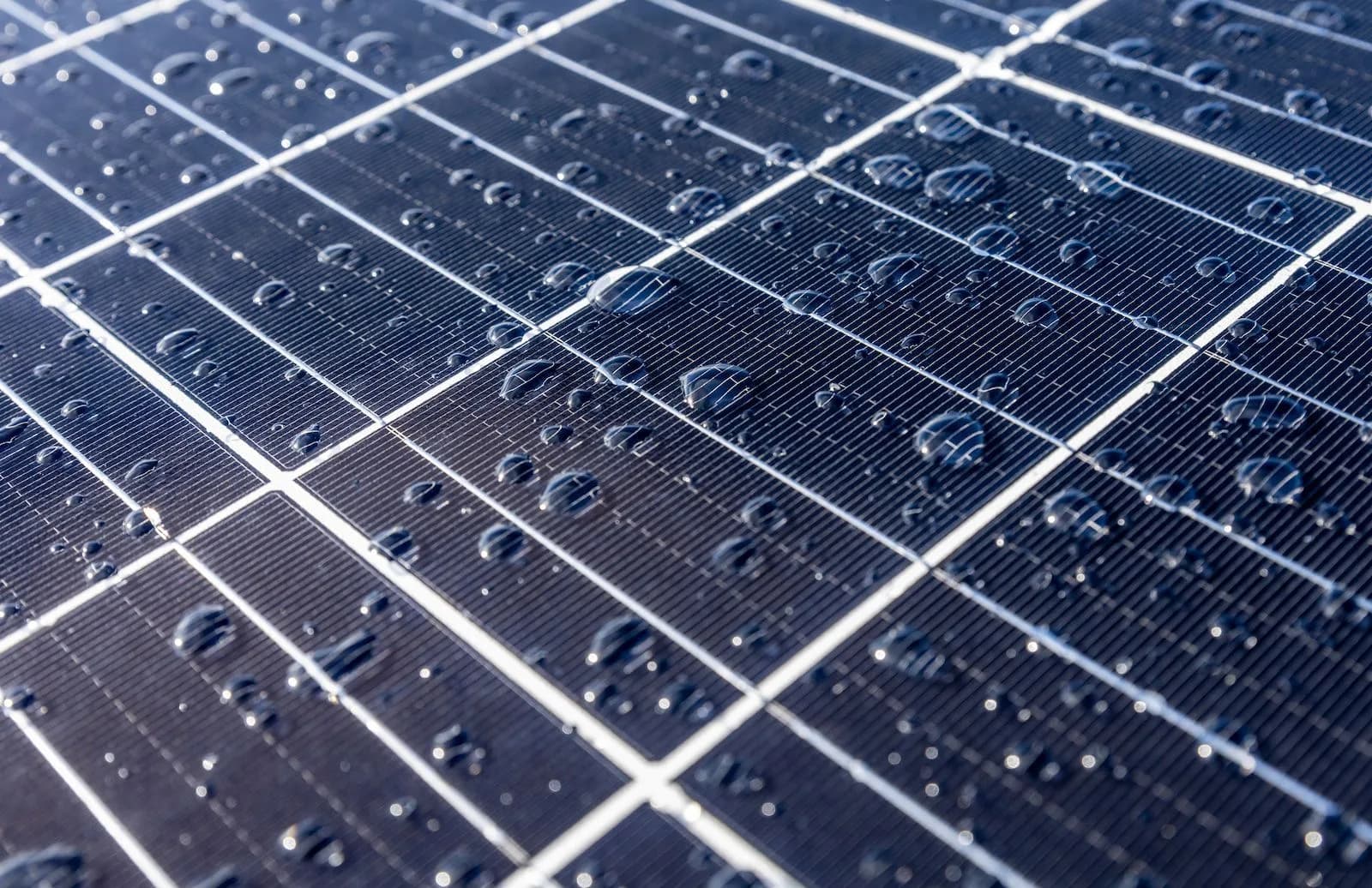
Derek’s experience is that many Perth households can wait for a change in the weather rather than book a cleaning visit for a light layer of dust. Adequate rainfall and panel tilt can help wash loose material from the glass.
Glass coatings vary, and a shower may leave persistent marks behind. Some panel manuals call for regular cleaning. Follow the instructions for your installed model, including its inspection and cleaning intervals.
Loose dust
Check whether rain clears it, within your panel’s maintenance requirements.
Persistent marks
Bird droppings and deposits that remain need closer attention.
Recurring buildup
A dusty site may need a regular cleaning arrangement.
The exceptions are local.
Wildlife can make one roof very different from the house next door. If birds repeatedly leave droppings on the array, waiting for the season to change may not resolve it. Arrange an assessment if deposits remain or cover part of a panel.
Derek also sees a different pattern around gravel roads, rural fringes and dust-producing agricultural sites, including poultry farms. Dust can accumulate repeatedly through the warmer months. Some of these sites benefit from cleaning every two months, with the interval adjusted to the actual buildup and manufacturer instructions.
Near the coast, look for deposits that remain after rain rather than assuming that distance from the ocean sets a timetable. Nearby building work, trees and a low panel tilt can also change what accumulates on your roof.
Check the output before booking a wash.
A lower reading does not establish that dirty panels are the cause. Shorter days, cloud, shade, heat and equipment faults can all affect generation. If your app shows only exports, remember that using more solar at home can reduce exports while the panels are still working normally.
Compare like with like.
Look at generated energy in kWh across several days with similar weather and at a similar time of year. Check for new shade or fault messages. A single sunny afternoon after cleaning is not enough to establish a lasting improvement.
There is no useful universal percentage gain to promise. The amount recovered depends on how much light the soiling was blocking. For lightly soiled panels, a paid cleaning visit may offer little value.
A gentle approach, from safe ground.
Derek’s starting point for light soiling is a gentle rinse from the ground, where it can be done safely and the manufacturer permits it. The aim is to disturb the glass surface as little as possible.
Before rinsing, check the model’s cleaning instructions and prescribed shutdown procedure with your installer. Switching off the inverter does not make panels electrically dead in daylight. If you cannot follow the requirements safely, leave the cleaning to a professional.
- Choose a cool period. Do not spray cold water onto hot panels.
- Use suitable clean water. Hard water can leave mineral deposits.
- Avoid abrasive tools and household cleaning solutions unless the manufacturer specifically approves them. Do not use a pressure washer as a general home cleaning method.
- Keep water away from electrical equipment and connectors, and do not direct it underneath the panels.
A photo is a useful starting point.
If PSW supplied your system and you are unsure whether it needs cleaning, contact PSW Life Support. Send a photo taken safely from the ground, your project number if available, and the dates of any change you have noticed in generation.
The team can help review what you are seeing and the available monitoring information before deciding whether cleaning or a technical assessment is the useful next step. Remote guidance is free for PSW customers; any paid work is discussed before it is arranged.
Manufacturer guidance and review notes
Derek’s comments describe PSW’s experience with Perth installations. The maintenance requirements for your installed model take precedence.
AIKO installation manual, V35, section 9: cleaning depends on accumulated dirt; adequate tilt allows rain to reduce cleaning frequency. The manual also specifies cleaning methods and safety precautions.
JinkoSolar installation manual, A1.8, section 6: this edition recommends cleaning preferably monthly, more often in dusty conditions, and specifies water and handling precautions. That recommendation must not be replaced by a general claim that rain is always sufficient.
These manuals cover the models listed within them. Use the manual supplied for your installed model. Cleaning frequency and method can differ between products. Original publication: 21 November 2024. Editorial review: 16 November 2026.