
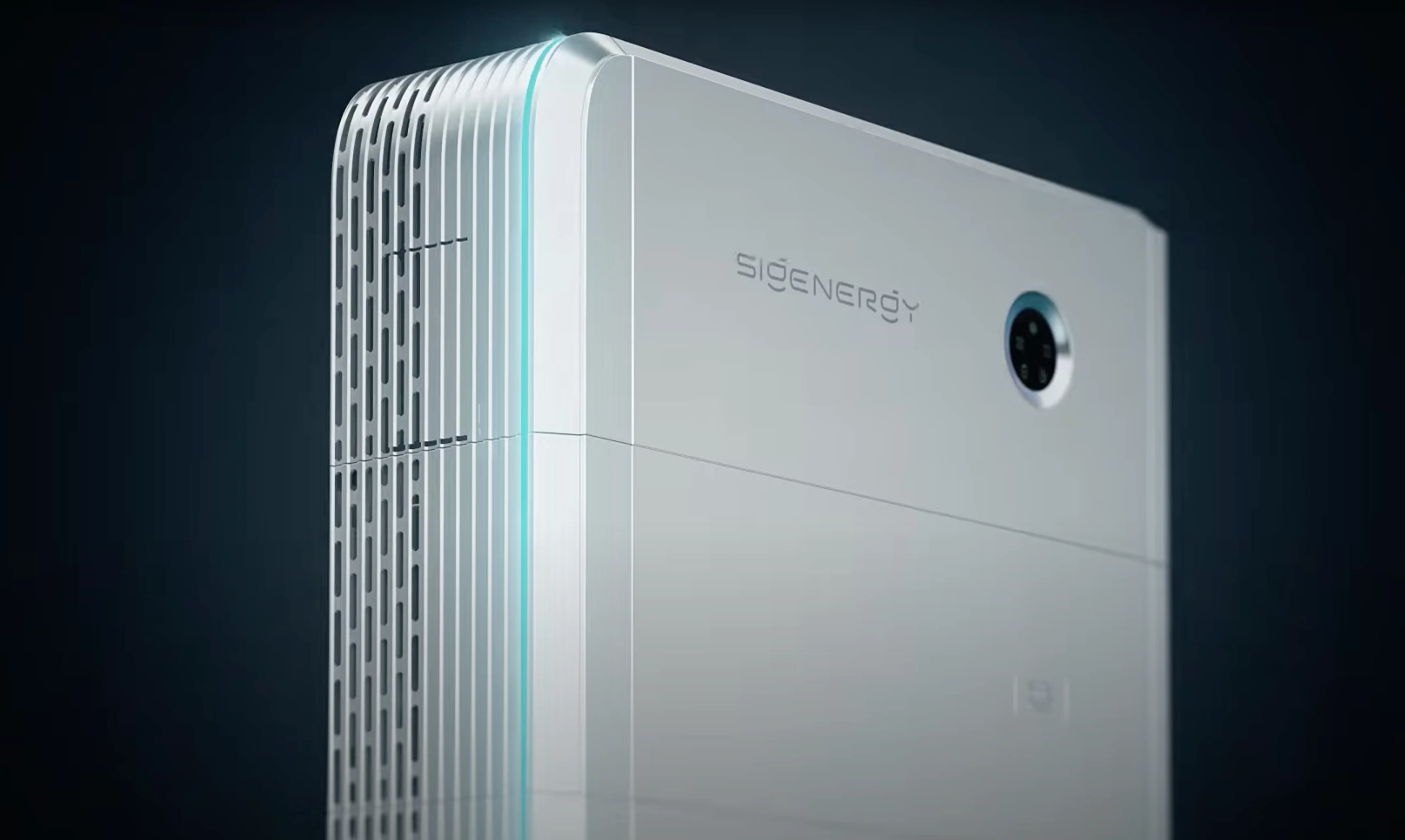
In this article
SigenStor lets you choose the storage, controller and charging equipment around your home. For a Perth household, the useful question is how those parts fit your solar, evening electricity use and backup priorities.
BAT 5.0 and BAT 8.0 describe legacy equipment. Our current new-system choices are BAT 6.0 and BAT 10.0. Existing owners can still ask us about support and an assessed addition.
In short
- Our current module choices are BAT 6.0 and BAT 10.0, with 6.0 and 9.0 kWh usable energy respectively in the Australian datasheet.
- The Energy Controller manages conversion and output. Backup uses a separate Energy Gateway.
- EV DC charging is optional. The car, module and installation must be compatible.
- SigenStor Neo is a separate family with its own Australian configuration still to confirm.
Choose the parts that matter to your home.
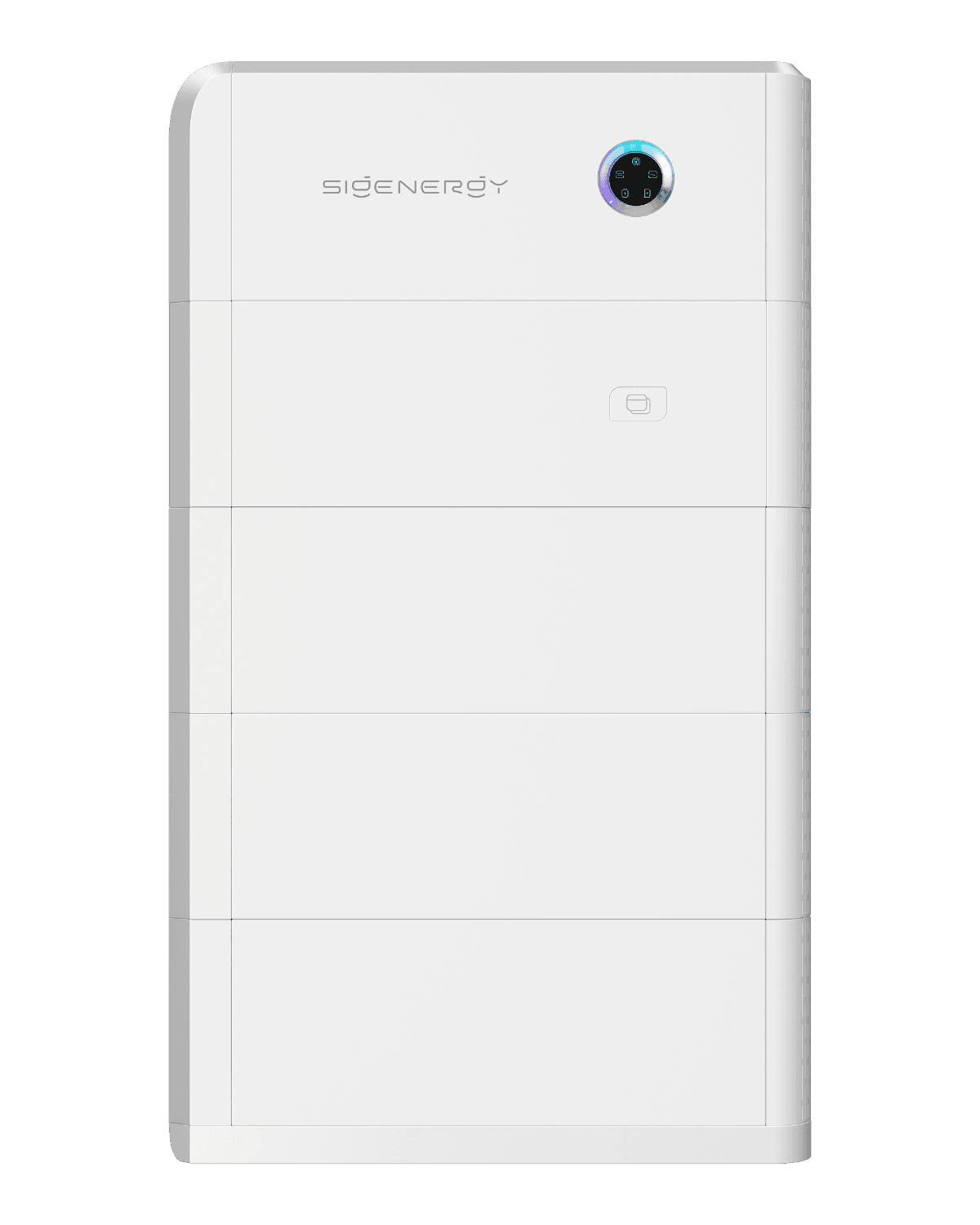
The Energy Controller sits above the battery modules. It combines the solar inverter and battery conversion functions, while the mySigen app provides monitoring and controls. Sigenergy’s Australian SigenStor overview explains the system architecture.
You can start the conversation with existing solar or a new array. Bring the inverter model, a recent bill and a photo of the switchboard. We can then assess what stays, what connects and which controller suits the supply. More storage does not automatically increase inverter output.
Read the usable energy beside the module name.
Current Australian SigenStor modules · usable energy per module
Source: Sigenergy Australian datasheet, version 20260429, p2 ↗. Beginning of life, 100% depth of discharge, 0.2C charge/discharge at 25°C. Module energy, not inverter output or guaranteed household delivery. Checked 21 October 2026.
BAT 10.0 is a model name. The Australian battery datasheet lists 9.0 kWh usable energy for that module, compared with 6.0 kWh for BAT 6.0. Compare those usable figures when deciding how much electricity you want to keep for later.
The sheet describes one to six modules per controller. The supported combination, mounting arrangement and any later additions still need checking for the selected controller and installation. The figures shown describe new modules under the manufacturer’s test conditions; delivered energy changes with use, temperature and age.
If you already own BAT 5.0 or BAT 8.0, its nameplate and original documentation remain relevant. Removing those choices from our new-system builder does not mean a working battery needs replacing. Ask us to check expansion compatibility against the equipment you have.
Plan backup and car charging separately.
Backup starts with the circuits you need.
SigenStor uses a separate Energy Gateway for backup. Tell us which appliances matter during an outage. The controller, battery charge, appliance starting loads and switchboard design determine what can run together.
EV DC charging is an optional addition.
The current upgradeable module starts at 12.5 kW, with a separate software licence for eligible upgrades to 25 kW. Sigenergy’s 20 April 2026 application note distinguishes the newer module from earlier hardware. Actual charging is limited by the car and available system power.
The EV DC product page carries our current offer and scope. Vehicle-to-home operation needs a separate vehicle, software and local compliance check. Choosing the charger does not establish that a car can power the house. A separate AC charger is another option.
Keep the price and support clear.
Use the SigenStor configurator to explore current module counts, controller, gateway and charger choices with a conditional guide price. Save the request in Plan so we can discuss the complete system, including any site work. An integrated controller should not be counted again as a separate inverter.
Ask for the applicable Australian component warranties and installation cover in the quote. A cell-cycle test is not the same as a warranty period or a guaranteed system lifespan.
A few useful questions.
Can I keep my existing solar?
It can be assessed. Bring the inverter model, array details and your electricity bill so we can check the connection and backup arrangement.
Are the older battery modules discontinued from your builder?
Yes. BAT 5.0 and BAT 8.0 are no longer new-system choices in our builder. Existing owners can ask PSW Life Support about support or an assessed addition.
Does Neo use the same modules?
Do not assume interchangeability. Neo is a separate family. Read our Neo guide for the design differences and Australian details still to confirm.
What should the final quote identify?
The exact controller and battery models, usable storage, backup circuits, optional charger, installation work, applicable warranties and any eligible deductions. Guide prices help you explore; the written quote confirms the offer.
Reviewed 21 October 2026 against the current PSW product page and the manufacturer sources linked above. Module figures: Sigenergy Australian BAT 6.0 / 10.0 datasheet, version 20260429, page 2. Approval, connection and any rebate eligibility are checked for the exact proposed system.