
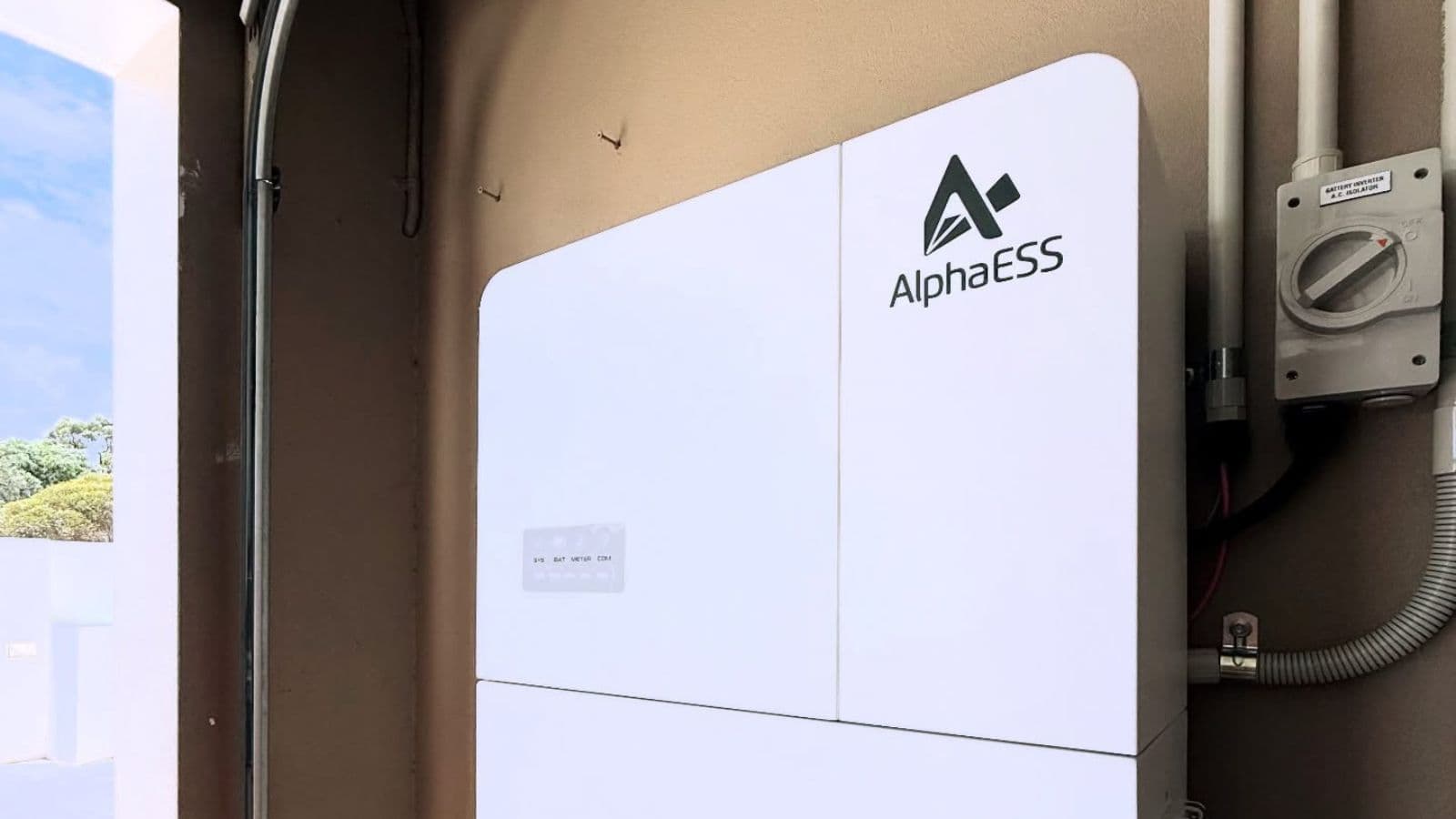
A home battery is often chosen well before anyone decides which wall it will go on. If the proposed location is your garage, include the alarm in that conversation before you accept the quote.
WA's Department of Fire and Emergency Services (DFES) recommends a smoke or heat alarm in garages and utility rooms containing a home battery, with mains power and interconnection wherever possible. Ask your installer to assess what suits the room and your existing alarms. DFES battery safety guidance.
What do WA's smoke alarm rules cover?
WA has smoke alarm requirements for new homes and certain building work, as well as existing homes being sold, transferred, rented or hired. Those obligations should not be reduced to a yes-or-no answer about the battery alone. DFES smoke alarm guidance · WA smoke alarm laws.
The battery installation also has its own safety requirements. Building and Energy identifies AS/NZS 5139 as the relevant battery installation standard, alongside other applicable electrical and building requirements. The installer needs to assess the proposed system and location, including the manufacturer's instructions. Building and Energy's guide for electrical contractors.
For a homeowner, the useful question is: “What alarm and installation provisions are appropriate for this battery, in this room?” Have that answered as part of the design, rather than assuming a garage is ready because there is an empty wall.
Choosing between smoke and heat detection
A heat alarm may suit a garage where dust or vehicle fumes would cause nuisance smoke alarms. It detects heat rather than smoke, and DFES notes that it can be slower to detect a fire. It must not replace a smoke alarm where one is legally required. DFES advice on alarm types.
Ask the electrician to check the room, the alarm's suitability and compatibility with the alarms already in your home. Interconnection allows the linked alarms to sound together, bringing a warning from the garage into the house. Mains-powered smoke and heat alarms must be installed by a licensed electrician. DFES installation guidance.
Assess the location before installation
An outdoor wall may be suitable, but exposure to sun and weather still matters. Building and Energy's guidance calls for a site-specific risk assessment and consideration of temperature, ventilation, impact protection and the manufacturer's installation requirements. Ask to see why the proposed location suits your system. Building and Energy's installation guide.
Once installed, keep the area clear of stored items, particularly combustible materials. Keep the installer and manufacturer contact details with your system documents, somewhere you can find them easily. DFES battery safety guidance.
Include the alarm in the quote
If you are planning a battery, ask for the proposed alarm, any work needed to interconnect it and the cost to be shown in writing. If your battery is already installed, a licensed electrician can assess the existing arrangement.
You can discuss your battery installation with PSW Energy. Bring the alarm question to the same conversation as the battery location, so both are considered before installation day.
If a home battery is smoking or on fire, evacuate, keep everyone out and call Triple Zero (000). Tell the operator that a home battery is involved. DFES emergency advice.