

In this article
GoodWe ESA brings a hybrid inverter and modular battery storage into one system. Start with your home’s electricity supply: the single-phase and three-phase versions have different power modules and need to be considered separately.
Use our ESA product page to explore the current PSW range and save a configuration in Plan. The Australian manufacturer datasheets below explain the model differences.
In short
- EHA-G20 is the single-phase hybrid family; ETA-G20 is the three-phase family.
- Our current builder uses the GW9.0-BAT-D-G20 battery module: 9.0 kWh rated and 8.85 kWh usable in the current Australian sheet.
- Bypass current and battery backup output are different ratings. Agree which circuits should stay on.
- The builder carries conditional system guide prices. Standalone ESA inverter pricing remains on enquiry.
Start with single or three phase.
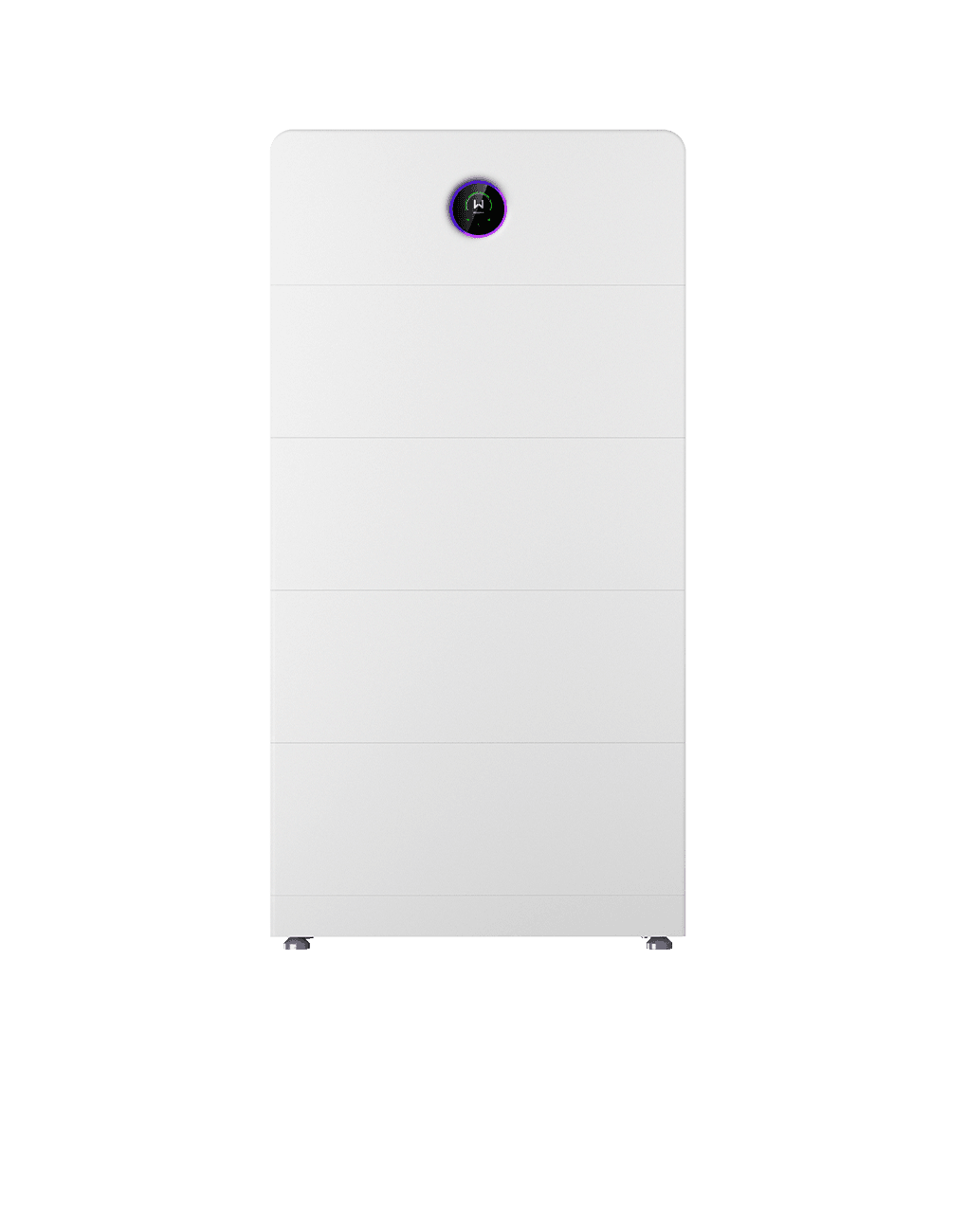
GoodWe’s Australian single-phase sheet lists EHA-G20 models from 3 to 9.999 kW nominal output. Its three-phase sheet lists ETA-G20 models from 5 to 29.999 kW rated output. Those are manufacturer family ranges, rather than a statement that every model is offered by PSW or approved for your connection.
Choose the supply first. Size the storage separately.
Single phase
EHA-G20
Australian nominal output range: 3–9.999 kW. Natural-convection cooling.
Three phase
ETA-G20
Australian rated output range: 5–29.999 kW. Smart-fan cooling.
GW9.0-BAT-D-G20 · 9.0 kWh rated / 8.85 kWh usable. Beginning of life, 98% depth of discharge, 0.4P charge/discharge at 25 ± 2°C. Actual available energy varies.
Sources: GoodWe single-phase ↗ and three-phase ↗ Australian datasheets, version 20261009-AU-V2.1, pp2–3. Manufacturer family ranges, not PSW’s offered range or site approval. Phase illustration is conceptual. Checked 21 October 2026.
Our current builder offers 5 kW and 9.999 kW requests for single phase, and 5 kW, 9.999 kW and 15 kW requests for three phase. Bring your switchboard details if you are unsure about the supply. The right output depends on the home, the selected storage and the connection assessment.
The single-phase Australian datasheet identifies natural-convection cooling. The three-phase Australian datasheet identifies smart-fan cooling. A description of the entire ESA range as fanless would be misleading.
Choose storage using the usable figure.
For GW9.0-BAT-D-G20, the current Australian battery table lists 9.0 kWh rated energy and 8.85 kWh usable energy. Earlier documents used 8.7 kWh for the same model; our product page follows the current manufacturer figure.
The 8.85 kWh value is measured at the beginning of life under the sheet’s stated test conditions: 98% depth of discharge, 0.4P charge and discharge, and 25 ± 2°C. Actual available energy varies with conditions and use. A model label is not a promise of delivered energy at the house.
Choose a module count around the electricity you expect to use after solar production falls. The builder totals the requested storage; the permitted combination, installation arrangement and any future addition still need confirmation. Do not treat a family maximum as the capacity every home needs.
Check backup and existing solar together.
The ESA includes backup functions, but a bypass rating describes power passing through the system while another source is available. It is not the same as what the battery and inverter can supply during a grid outage.
Tell us which circuits matter: refrigeration, lighting or a larger appliance may have different running and starting loads. We will check the selected inverter, module count, available charge and switchboard arrangement. An all-in-one enclosure does not automatically cover every appliance.
GoodWe also publishes Australian AC-coupled ESA documents for existing-solar designs. That is a separate configuration to assess, rather than a guarantee that any inverter can be retained in any backup arrangement. Bring the existing inverter model and solar details before deciding what stays.
Compare the complete system and quote.
The ESA configurator carries your supply, output and module-count choices into Plan with a conditional guide price. When solar is included, the combined guide should account for the required inverter once. The final quote identifies equipment, site work and any eligible deductions.
For solar now and storage later, you can also enquire about the ESA single-phase hybrid inverter. Its standalone price remains on enquiry until confirmed. A battery-ready request still needs a compatible future battery design.
Check the exact inverter and battery-system entries in the CEC inverter register and battery register for the proposed equipment. A family announcement or a datasheet certification label does not by itself confirm the installed combination, network permission, stock or rebate eligibility.
Keep warranty and safety advice model-specific. ESA is a different family from older EH, EHB, ET and Lynx equipment; it is not a universal replacement instruction. Existing owners can ask PSW Life Support to check a model or notice against their installed equipment.
A few useful questions.
Can I keep my existing solar?
It can be assessed. GoodWe publishes separate single-phase AC-coupled guidance. We need the existing equipment and intended backup scope before selecting that arrangement.
Does three phase mean more storage?
No. Supply phase, inverter output and stored energy describe different things. The supported module count and the household’s needs determine the storage request.
Can I add storage later?
Ask us to document the intended expansion path. Compatible models, firmware, installation space and permitted combinations must be checked when the addition is proposed.
Which warranty applies?
Your quote should identify the Australian warranty for the exact inverter and battery models, including capacity, throughput or operating conditions, and the installation cover. A cell-cycle test is not a warranty period.
Reviewed 21 October 2026. Technical figures: GoodWe Australian ESA single- and three-phase datasheets, version 20261009-AU-V2.1, pages 2–3, linked above. The current PSW builder defines the quoted range; exact equipment, connection and eligibility are confirmed separately.